
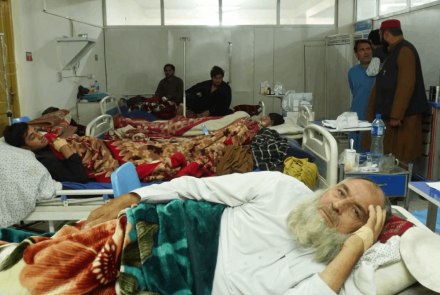
In Nangarhar province, the number of dengue patients has risen significantly compared to previous periods.
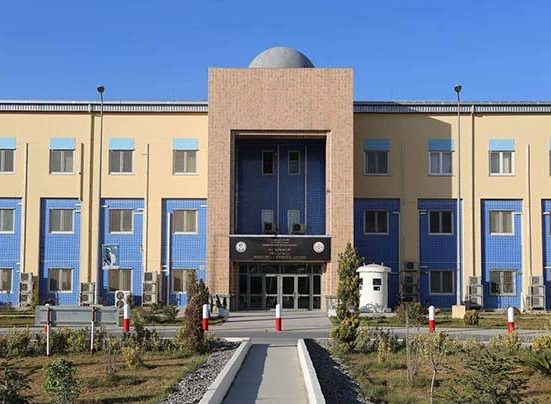
kabul 24: Health officials in Nangarhar report that between 300 and 500 patients with infectious diseases seek treatment daily at the Infectious Diseases Hospital affiliated with the Nangarhar Public Health Directorate, a substantial portion of whom are suffering from dengue.
These officials add that this year, 500,000 mosquito nets have been distributed in the provincial center and districts.
Additionally, in several areas, anti-mosquito and anti-infection sprays have been applied in collaboration with various organizations.
This surge aligns with broader trends in Afghanistan, where dengue fever—transmitted by Aedes mosquitoes—has emerged as a growing public health threat, exacerbated by climate change, seasonal rains, and cross-border movement with Pakistan.
As of June 2025, the World Health Organization (WHO) reported 595 suspected cases nationwide, with Nangarhar consistently bearing the heaviest burden, accounting for nearly 98% of cases in recent outbreaks.
WHO has intensified efforts, including training over 350 health workers in 2024 on case management and laboratory diagnosis, particularly in high-risk provinces like Nangarhar.
Experts urge enhanced surveillance, vector control, and community education to curb transmission, as the disease can lead to severe complications like hemorrhagic fever if untreated.
No deaths have been reported in the current wave, but vigilance remains critical amid Afghanistan’s fragile health infrastructure.