
UN FAO releases first Global Map of Salt-Affected Soils: Large parts of northern and southwestern Afghanistan severely impacted
Kabul 24: The Food and Agriculture Organization of the United Nations (FAO) has published the first Global Map of Salt-Affected Soils.
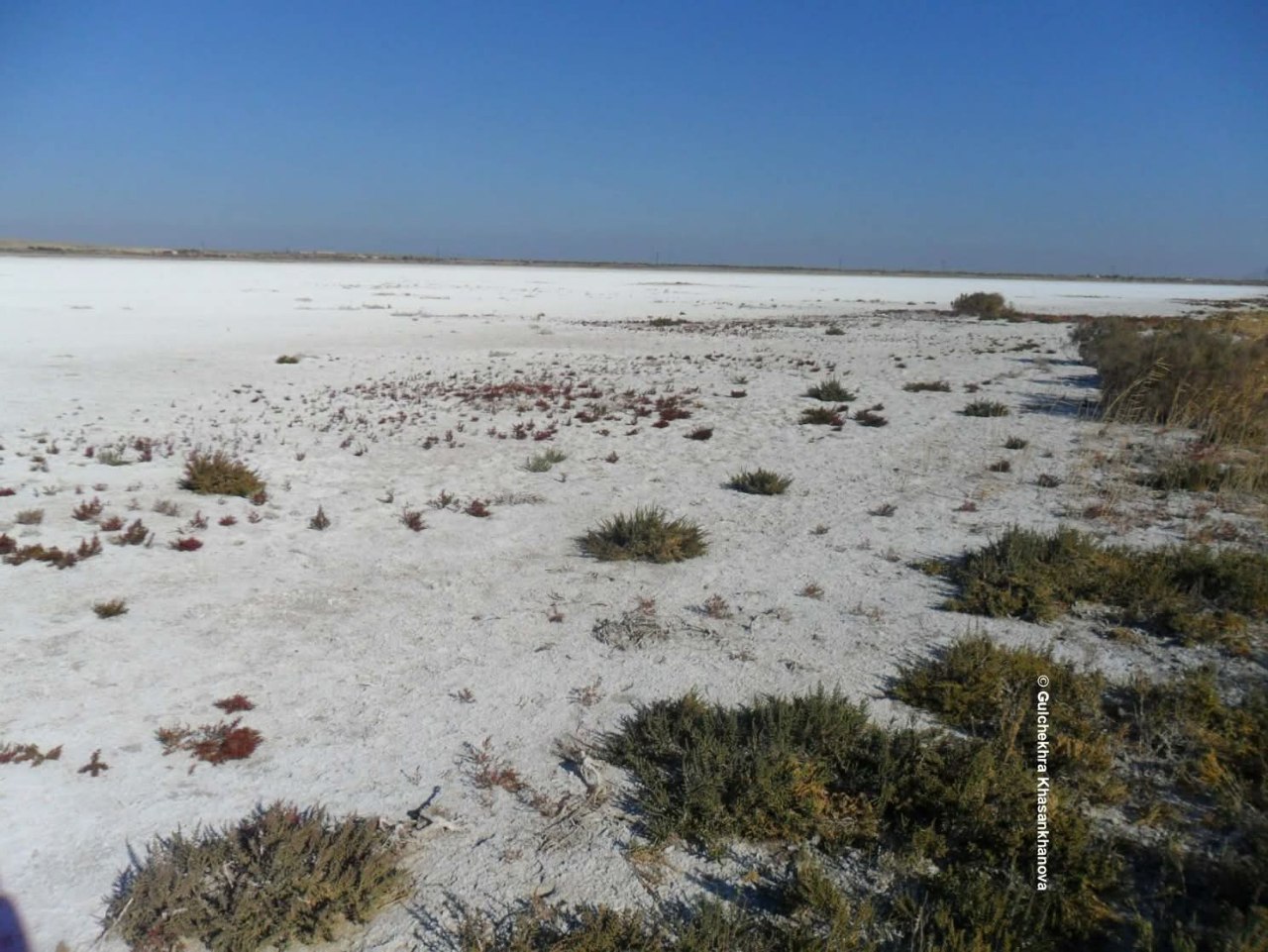
Salt-affected soils (commonly known as saline or sodic soils) are lands where the accumulation of soluble salts in the soil restricts plants’ ability to absorb water.Soils containing high levels of sodium ions also alter soil structure, blocking the pores through which air and water move, ultimately preventing plant growth in such areas.
The map was produced using field measurements combined with remote sensing data and covers almost the entire world — except for a few countries that classified their data as confidential (including Iran, Tajikistan, and Turkmenistan among Afghanistan’s neighbors).
In Afghanistan, salt-affected soils are particularly widespread in the north and southwest, where terminal lakes and inland drainage basins lose water through evaporation.
This evaporation leaves behind dissolved salts that gradually turn fertile land into saline wastelands.
Human factors accelerating the salinization of productive agricultural land include:Lack of proper irrigation systems that allow leaching (washing out) of salts
Uneven land leveling
Excessive use of chemical fertilizers
Solutions and prevention methods will be discussed in future reports