
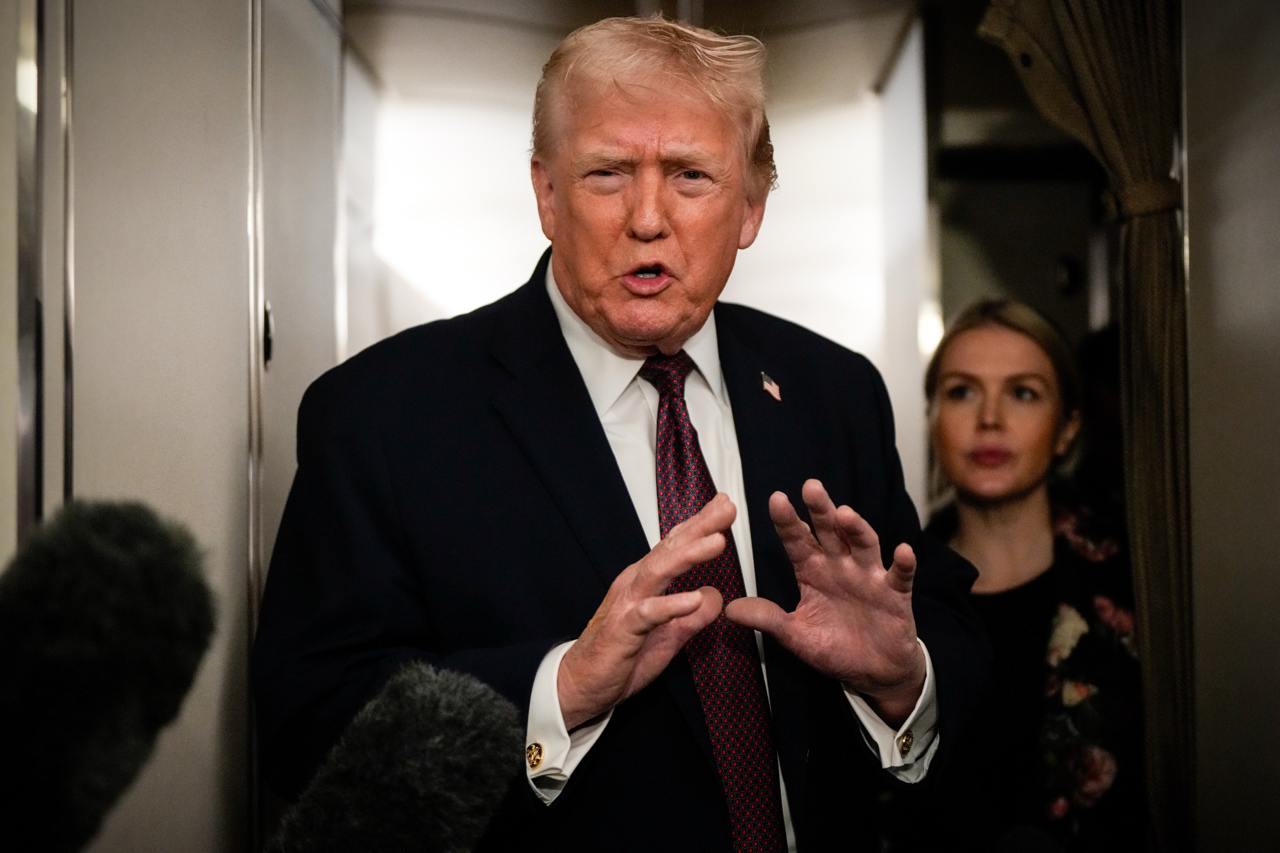
Two senior U.S. Defense Department officials told CBS News that President Donald Trump has been briefed on an extensive array of military and covert tools targeting Iran—options that go far beyond conventional airstrikes.
Kabul 24: According to these officials, while air power and long-range missiles would remain the backbone of any potential military response against Iran, Pentagon planners have also presented a range of non-traditional options.
These include large-scale cyber operations and targeted psychological warfare campaigns.
The primary objectives of these unconventional tools are to severely disrupt Iran’s military command-and-control structure, cripple key communication networks, and undermine the effectiveness of state-run media and official propaganda outlets.
The sources explained that these cyber and psychological operations could be employed in two main ways: Integrated with traditional kinetic military actions (such as airstrikes and missile barrages) under what U.S. military doctrine calls “multi-domain integrated operations”;
Independently, as standalone preemptive, punitive, or deterrent actions without direct involvement of conventional forces on the battlefield.
The two American officials stressed that no final decision has been made to activate any of these options, and diplomatic channels remain fully open.
Nevertheless, the significant expansion and serious consideration of such a broad spectrum of tools indicate that Washington is actively preparing for far more complex and multi-layered scenarios—scenarios that are no longer limited to direct military confrontation on the ground or in the air.
This diversification of options reflects a strategic effort to combine kinetic force with cyber disruption, information warfare, and psychological pressure, creating a more comprehensive and potentially overwhelming deterrent posture toward Iran.