
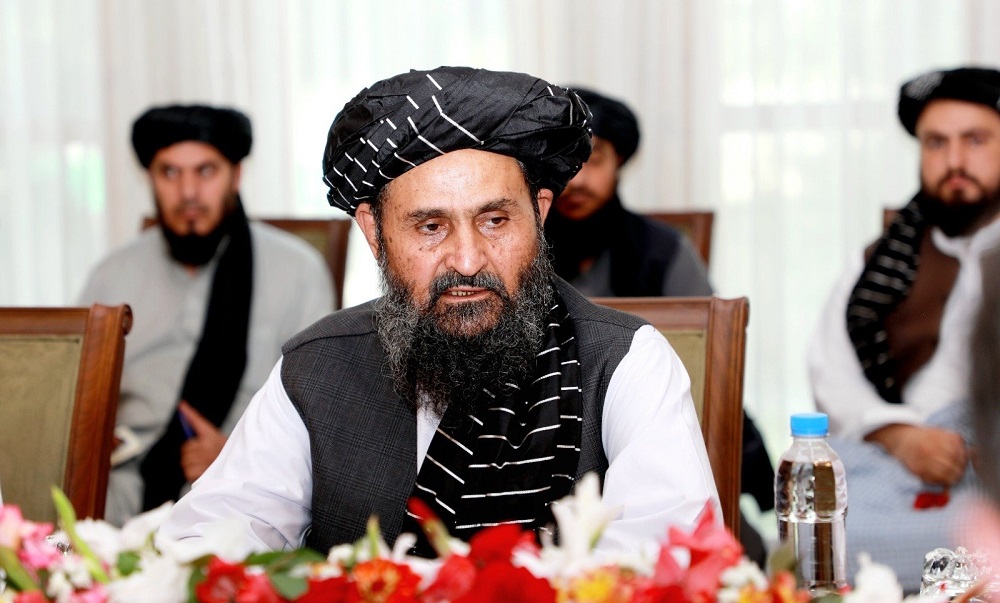
In the regular session of the National Procurement Commission, chaired by Mullah Abdul Ghani Baradar Akhund, Deputy Prime Minister for Economic Affairs, 21 development and service projects with a total estimated value of around 2.5 billion Afghanis were approved.
Kabul 24: Additionally, seven other projects underwent revision and amendment to better align with actual needs, technical standards, and available financial resources.
The approved and revised projects cover a wide range of sectors including infrastructure, security, public health, energy, irrigation, and transportation.
Their primary objectives are to improve public services, strengthen security infrastructure, expand rural access to electricity, and enhance healthcare delivery in remote areas.
Key projects approved include:Procurement and installation of advanced scanners for the customs departments of the international airports in Kabul, Herat, Nangarhar, Balkh (Mazar-e-Sharif), and Khost. These scanners aim to enhance border control, combat smuggling, and improve overall airport security.
Rehabilitation and upgrading of the Gardez–Khost public highway, a vital arterial route connecting Paktia and Khost provinces to the capital and facilitating trade and movement in the southeast.
Construction of new provincial police headquarters buildings in Ghazni and Farah provinces to strengthen law enforcement infrastructure and administrative capacity.
Feasibility studies and detailed design for the Sultan Ibrahim Dam irrigation project in Sar-e-Pol province, which is expected to significantly boost agricultural productivity and improve water resource management in the region.
Electrification of the districts of Sancharak, Sozma Qala, and Gosfandi in Sar-e-Pol province, expanding reliable electricity access to rural communities in northern Afghanistan.
Construction of public hospitals in the districts of Qala-e-Zal (Kunduz), Gereshk (Helmand), Shinwari (Parwan), Parchaman (Farah), Lakan (Khost), Warsaj (Takhar), Ala Say (Kapisa), Shakardara (Kabul), and Dara-e-Im (Badakhshan). These facilities will substantially improve basic healthcare access for populations in remote and underserved areas.
Various electricity distribution projects across multiple provinces as part of the broader national plan to extend the power grid to rural regions and reduce outages.
The Commission emphasized that all projects were prioritized based on urgent public needs, adherence to transparency in procurement processes, and optimal use of public funds.
The revision of the seven additional projects was carried out to achieve cost savings, enhance implementation quality, and ensure better alignment with on-the-ground realities.
These decisions reflect the government’s ongoing commitment to rebuilding infrastructure, stimulating local economies, and improving the quality of life for citizens across the country.
Timely and effective execution of these projects is expected to contribute meaningfully to balanced regional development and sustainable growth.