
In a series of recent diplomatic moves in Doha, senior officials from the Islamic Emirate of Afghanistan, the People’s Republic of China, and the State of Qatar held important meetings focusing on bilateral relations, the current political situation in Afghanistan, and prospects for economic and security cooperation.
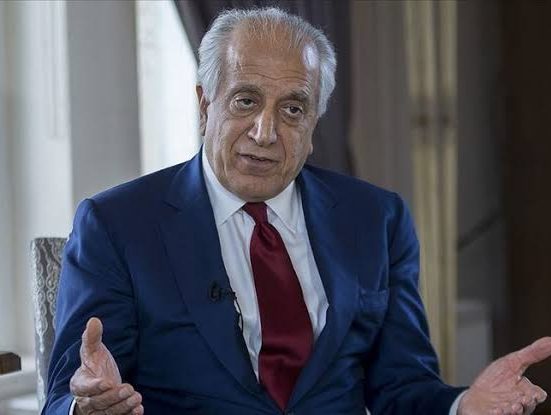
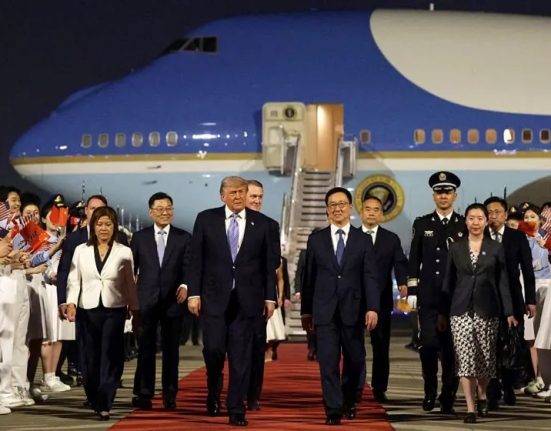
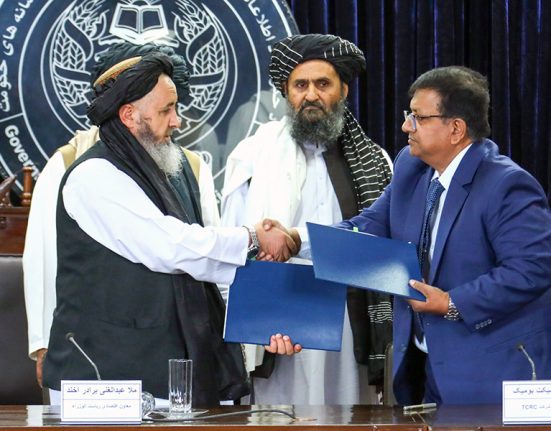
Kabul 24: The Chargé d’Affaires of the Islamic Emirate’s embassy in Doha met with China’s Special Envoy for Afghanistan and his accompanying delegation.
During the meeting, the two sides engaged in comprehensive discussions on strengthening political ties between Kabul and Beijing, expanding trade and commercial cooperation, Chinese investment opportunities, and Beijing’s humanitarian assistance to the Afghan people.
China, as one of the region’s major economic powers, has consistently emphasized the need for political stability in Afghanistan to advance its infrastructure and trade projects.
The parties reviewed the current situation in the country and reached a mutual understanding on the importance of broadening economic and commercial relations to support Afghanistan’s reconstruction.
China’s humanitarian aid — which includes food, medicine, and medical equipment — was highlighted as a positive aspect of bilateral cooperation.
This meeting forms part of the Islamic Emirate’s broader diplomatic efforts to end its international isolation and attract economic support from major regional powers.
Doha has played a central role in facilitating these discussions.Separately, Qatar’s Ministry of Foreign Affairs announced that the Minister of State for Foreign Affairs also held talks with China’s Special Envoy for Afghanistan.
The two sides discussed the latest developments in Afghanistan and explored ways to strengthen joint international efforts aimed at ensuring security, stability, and preventing further humanitarian crises in the country.Qatar, which maintains relatively good relations with the Islamic Emirate and has hosted the Islamic Emirate political office for years, continues to play an active mediating role in Afghan affairs.
China, for its part, seeks to secure its strategic economic and security interests in Afghanistan through active diplomacy — particularly protecting its projects under the Belt and Road Initiative and preventing terrorist threats that could affect Chinese territory and regional stability.
These diplomatic engagements reflect a coordinated effort by China and Qatar to engage the Islamic Emirate within regional and international frameworks.
While neither country has yet formally recognized the Islamic Emirate as the official government of Afghanistan, the intensive talks indicate that the Afghan issue remains a high priority on the foreign policy agendas of both Beijing and Doha.
Analysts believe these developments could pave the way for increased economic and humanitarian assistance to Afghanistan. At the same time, they may exert pressure on the Islamic Emirate to move toward a more inclusive government and improve respect for the rights of women and minorities.
Stability in Afghanistan is not only vital for its own people but also holds significant strategic importance for regional security and the economic interests of major powers like China.