

Throughout its history, Afghanistan has remained a focal point of geopolitical competition among major powers. From ancient empires to contemporary global actors, numerous forces have sought to establish and maintain influence over this territory.
Hasina Sargand Kochi
The reasons for this extend beyond mere geography; Afghanistan’s strategic location has long positioned it as a critical corridor connecting major regions of Asia.
When a nation is subjected to aggression, it is natural for a sense of collective defense to emerge among its people.
Within the framework of Islamic jurisprudence and political thought, when a nation faces external attack, its right to defend itself is widely regarded as legitimate. It is within this context that the concept of “Rad al-Zulm” emerges. The term broadly refers to resisting injustice and safeguarding independence in the face of aggression.
In Afghanistan’s contemporary history, there have been multiple instances in which Afghans have perceived themselves to be under external pressure or foreign intervention.
Under such circumstances, concepts such as resistance, struggle, and defense have occupied an important place in the country’s political and religious discourse.
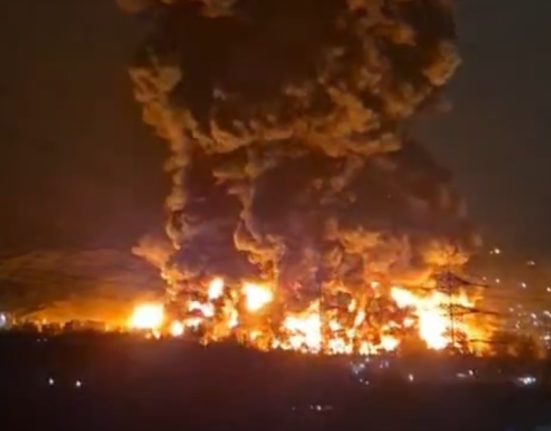
Actions described as “Rad al-Zulm operations” may therefore be interpreted within this framework—namely as measures intended to counter perceived aggression and to protect national sovereignty.
From a regional perspective, Afghanistan is not merely an isolated state; rather, it represents a strategic crossroads linking South Asia, Central Asia, and the Middle East.
Any military tension or operational development within Afghanistan inevitably carries implications that extend to neighboring states. For this reason, Afghanistan’s security is closely interconnected with the broader stability of the region.
Consequently, the issue of aggression against Afghanistan cannot be assessed solely within the narrow framework of armed conflict. It is, in fact, a multidimensional matter encompassing historical, religious, political, geographical, and international dynamics.
When the concept of “Rad al-Zulm” is understood within the framework of justice, defense, and the protection of national sovereignty, it becomes closely associated with the broader philosophy of national dignity and survival.
At the same time, achieving sustainable stability requires more than military resistance alone. Alongside security considerations, it is essential to strengthen political prudence, regional understanding, and economic self-reliance. Only through a balanced combination of these elements can Afghanistan move toward enduring peace and long-term stability.