

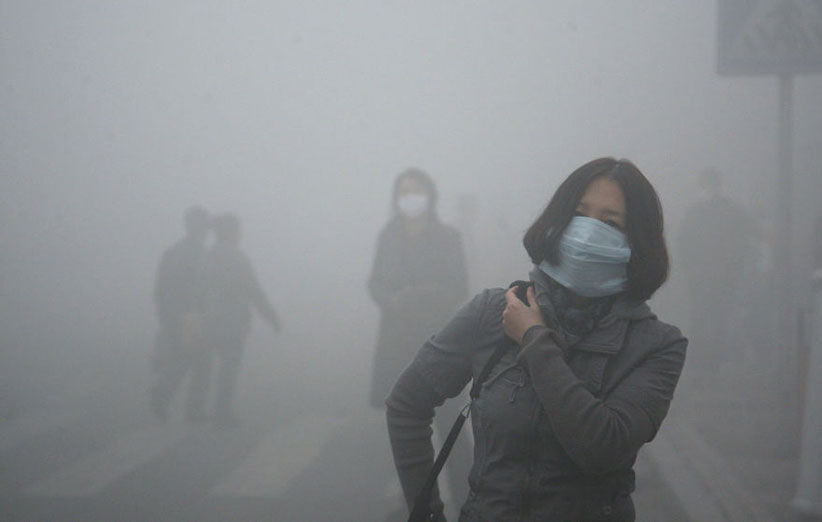
A study published in Nature Sustainability used long-term data and advanced statistical methods to examine the role of improved air quality in reducing suicide rates in China.
Kabul 24: Key findings:Weekly worsening of air quality was associated with a 25% increase in completed suicides in the affected populations.
Conversely, improvements in air quality were linked to a noticeable decline in suicide rates.
China accounts for approximately 16% of all suicides worldwide. In recent years, the country has implemented large-scale policies and programs to reduce air pollutants, resulting in dramatic improvements in air quality.
Analysis of data from 2013 to 2017 showed a concurrent decline in suicide rates, with researchers estimating that about 10% of this reduction can be directly attributed to cleaner air.The study employed econometric models to isolate the effect of air quality from other socioeconomic and mental health factors.
Both medium- and long-term assessments revealed that reductions in key pollutants—particularly fine particulate matter (PM2.5, the primary metric in this study), as well as nitrogen dioxide and sulfur dioxide (examined in related research)—were associated with lower levels of stress and depression, ultimately contributing to fewer suicides.
These results align with earlier evidence linking air pollution to increased anxiety, depression, and other mental disorders. However, this nationwide, long-term study provides the strongest confirmation yet at a population scale and highlights improving air quality as an important public mental health intervention.
Accordingly, strengthening air pollution control policies and infrastructure is essential not only for physical health but also for improving mental well-being and reducing high-risk behaviors such as suicide.
Despite China’s rapid demographic, economic, and social changes, the recent decline in suicide rates remains a significant public health achievement—and cleaner air has emerged as one of the contributing factors.
Researchers emphasize that these findings are likely generalizable to other countries with both high air pollution and high suicide rates.Conclusion: Improving air quality can play a meaningful role in protecting mental health and reducing suicide rates