

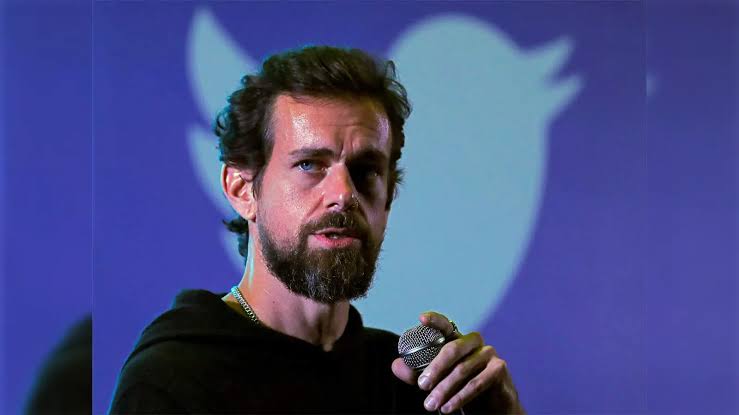
Jack Dorsey, the founder of Twitter, has unveiled a groundbreaking project called “Bitchat,” a messaging app that enables users to communicate without the need for internet or phone numbers.
Kabul 24: Operating on Bluetooth Low Energy and a mesh network structure, Bitchat allows secure and decentralized communication, particularly in critical situations like internet blackouts or infrastructure failures. The app’s source code has been made publicly available on GitHub, inviting developers to contribute to its growth.
Bitchat leverages mesh network technology, where each connected smartphone can receive and relay messages to others, expanding the network’s coverage across a range of several hundred meters without requiring a central server or internet connection.
This makes it an ideal tool for remote areas or during crises such as natural disasters, protests, or intentional internet shutdowns.
Dorsey describes Bitchat as “a secure, decentralized, end-to-end encrypted messaging app that operates on Bluetooth networks. It requires no internet, servers, or phone numbers, prioritizing user privacy.” Messages are protected with end-to-end encryption, ensuring that only the sender and recipient can access their content.Currently in its beta phase, Bitchat allows users to engage in private one-on-one conversations or join password-protected group chats.
To address message loss during disconnections, the app employs a temporary storage system, retaining messages on network devices for up to 12 hours until the recipient rejoins the range.The project’s technical whitepaper, also released publicly, details its approach to optimizing energy consumption and preventing data congestion.
Beyond Bluetooth, developers are exploring additional technologies like Wi-Fi Direct and LoRa, which could extend the network’s range to several kilometers, enhancing reliability in challenging conditions.Bitchat represents a significant step toward censorship-resistant communication and privacy protection.
It holds immense potential for activists, journalists, and individuals in regions with restricted connectivity. As development progresses, Bitchat could redefine secure, decentralized communication in the digital age.