
According to the latest report from Afghanistan’s Ministry of Industry and Commerce, trade between Afghanistan and Pakistan has decreased in the first six months of the current year.
Kabul 24: The data indicates that bilateral trade during this period amounted to $1.108 billion, compared to over $1.117 billion in the same period last year, reflecting a decline in commercial exchanges.
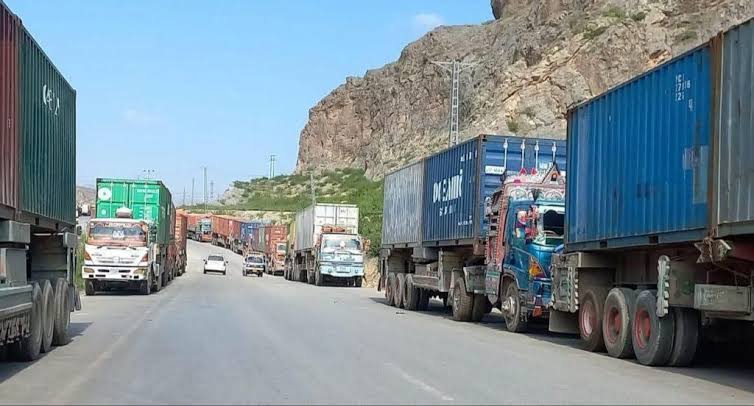
Pakistan remains one of Afghanistan’s largest regional trading partners. However, challenges such as border closures, high customs tariffs, and transit issues have hindered trade between the two nations.
Akhundzada Abdul Salam Jawad, spokesperson for the Ministry of Industry and Commerce, stated that Afghanistan’s primary exports to Pakistan include coal, cotton, processed talc, mung beans, coriander seeds, kidney beans, tobacco, and lentils.
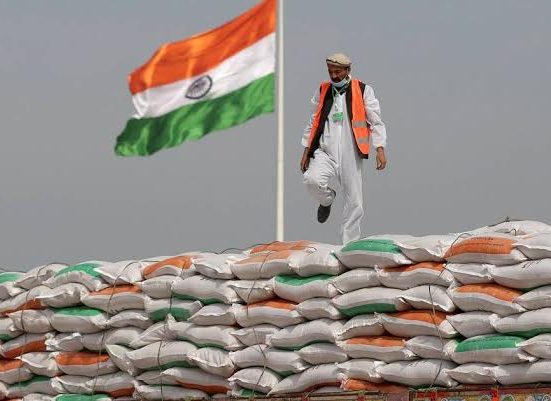
In contrast, major imports from Pakistan consist of rice, cement, medicinal spices, various clothing items, and potatoes.
The Afghanistan Chamber of Agriculture and Livestock emphasized the country’s strategic geographic position and reliance on Pakistan for transit routes, underscoring the need to strengthen economic ties.
Wasim Safi, head of the chamber, highlighted the importance of fostering positive trade relations to maximize mutual benefits. Similarly, economic expert Mohammad Karim Azimi argued that separating economic matters from political tensions could boost trade volumes through Pakistan’s Karachi and Gwadar ports, benefiting both countries.
Despite recent efforts by the Ministry of Industry and Commerce to enhance trade relations, ongoing issues such as border closures, customs tariffs, and transit challenges continue to make trade between Kabul and Islamabad vulnerable.
Addressing these obstacles and fostering closer economic cooperation are critical for stabilizing and expanding bilateral trade.