
The International Committee of the Red Cross (ICRC) expressed deep concern over the sharp escalation of hostilities between Afghanistan and Pakistan, calling on both sides to exercise immediate restraint and take concrete steps toward de-escalation to prevent further violence.
Kabul 24: In a statement released on February 27, 2026, the organization highlighted the severe humanitarian impact on civilians in the border region, who have already suffered for decades from conflict, displacement, and loss.ICRC President Mirjana Spoljaric stated: “We are witnessing a profound escalation of hostilities between Afghanistan and Pakistan.
The people of this region have already endured decades of conflict, displacement and loss. They have seen and felt the impact of war on their loved ones and in their communities. Civilians, the wounded and others not – or no longer – taking part in the fighting must be protected, and humanitarian assistance must reach all those affected. Hospitals must be able to operate and access to essential services must be guaranteed.
These are not privileges; they are obligations under international humanitarian law.”Spoljaric emphasized that no humanitarian response can substitute for the political will to respect the laws of war and halt the cycle of violence.
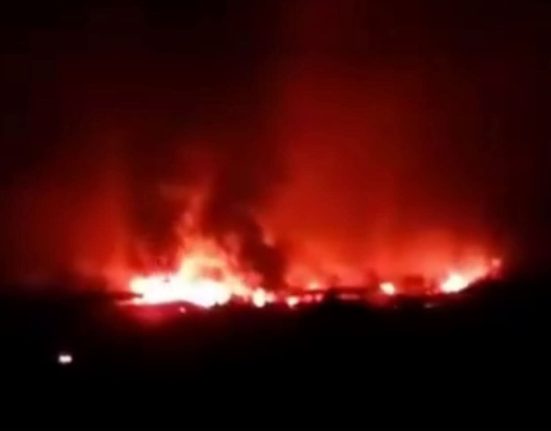
The recent flare-up, including airstrikes, ground clashes, and retaliatory actions, has raised alarms about civilian casualties and disruptions to essential services in border areas along the Durand Line.
The ICRC announced it is collaborating with the Afghan Red Crescent Society and the Pakistan Red Crescent Society, in coordination with relevant authorities on both sides, to prepare an operational response to address urgent humanitarian needs.
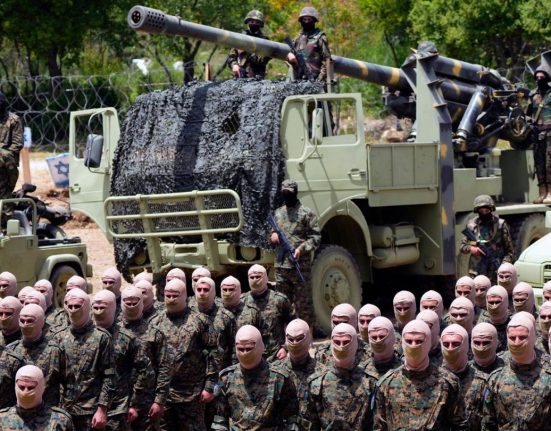
Priority is being given to supporting health facilities treating the wounded from the ongoing clashes.This appeal comes amid reports of intensified cross-border operations, with Pakistan conducting airstrikes in Afghan territory and Afghanistan responding to perceived aggressions.
The tit-for-tat exchanges have heightened fears of a broader conflict, exacerbating an already fragile security situation in the region.The ICRC stressed that protecting non-combatants, ensuring unimpeded humanitarian access, and maintaining functional medical services are binding commitments under international humanitarian law.
The organization urged all parties to prioritize dialogue and restraint to avert a deeper humanitarian crisis and safeguard vulnerable populations caught in the crossfire.
This development underscores growing international concern over the border tensions, which threaten regional stability and the well-being of millions living along the disputed frontier.