
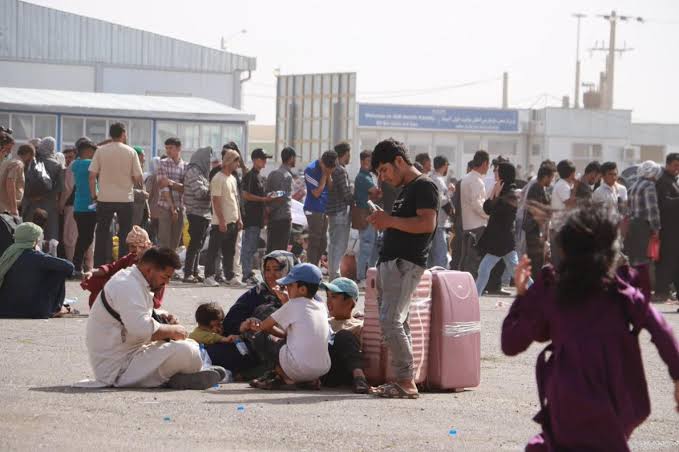
Ali Akbar Pourjamshidian, Deputy Minister of Interior of the Islamic Republic of Iran, has stated that the deportation of Afghan migrants from Iran has led to a significant labor shortage in several provinces of the country.
Kabul 24: He emphasized that many Iranian employers prefer hiring Afghan workers due to their dedication, skills, and lower wage demands.
These remarks highlight the critical role Afghan migrants play in Iran’s economy and the adverse effects of deportation policies on the labor market.
Pourjamshidian further explained that Afghan workers are particularly vital in sectors such as construction, agriculture, and small-scale industries. He noted that these workers often take on jobs that Iranian laborers are less willing to perform.
The widespread deportation of Afghan migrants has not only reduced productivity in certain industries but also increased production costs, as employers are forced to hire more expensive labor or face workforce shortages.
The Iranian official also addressed the social and economic challenges stemming from this policy, pointing out that many Afghan migrants have lived in Iran for years and have become an integral part of the country’s social and economic fabric. He warned that continuing this approach could exacerbate economic difficulties in some regions.
Pourjamshidian suggested that immigration policies should be reviewed to balance national security concerns with the optimal utilization of migrant labor.
These statements come at a time when Iran is grappling with multiple economic challenges, including sanctions and high inflation.
The presence of Afghan migrants, who often work for lower wages, has helped reduce production costs. However, with their deportation, some Iranian employers are now calling for a reassessment of these policies to mitigate the negative impacts on the local economy.