
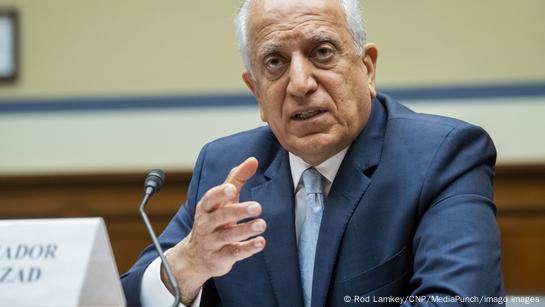
Zalmay Khalilzad, the former U.S. Special Representative for Afghanistan Reconciliation, has strongly condemned Pakistan’s recent airstrikes on Afghan territory, describing them as “horrendous.”
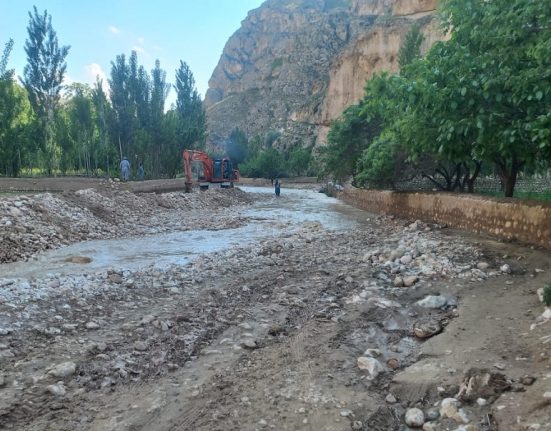
Kabul 24: The attacks, which took place early Sunday in the provinces of Nangarhar and Paktika, reportedly resulted in significant civilian casualties, including the deaths and injuries of numerous innocent women, children, and elderly people, according to authoritative sources cited by Khalilzad.In a series of posts on X (formerly Twitter), Khalilzad expressed deep outrage over the strikes, emphasizing that they targeted civilian areas and caused unacceptable harm to non-combatants. He argued that Pakistan’s actions stem from decades of flawed internal policies and governance failures.
These include the systematic oppression of minorities, repeated manipulation of democratic election results, and frequent military interventions that have undermined civilian rule. Such patterns, he said, represent “years of bad decisions, seemingly clever but ultimately failed maneuvers, and weak governance,” which have not only damaged Pakistan internally but have now spilled over to create a tragedy for its neighbors—particularly Afghanistan.
Khalilzad highlighted the irony and pain for Afghans: after enduring prolonged internal conflict and finally achieving a degree of resolution to their own civil war, they are now facing spillover violence and instability from across the border.
He described the overall situation as a profound tragedy for the people of Pakistan itself and for the broader region, warning that continued reliance on such aggressive tactics will only deepen crises rather than resolve security concerns.
Pakistan has justified the airstrikes as targeted operations against hideouts of militant groups like the Tehrik-i-Taliban Pakistan (TTP) and possibly ISKP elements operating from Afghan soil, following repeated cross-border attacks on Pakistani territory.
However, Afghan officials and reports have disputed these claims, asserting heavy civilian tolls and violations of sovereignty, prompting strong protests from Kabul, including the summoning of Pakistan’s envoy.In his closing remarks, Khalilzad directly urged Pakistan’s leadership and establishment to undertake a fundamental rethink of their approach.
He called for an immediate change of course toward more responsible policies that respect neighbors’ sovereignty, prioritize de-escalation over escalation, and address root causes through dialogue rather than military action.
Killing civilians and breaching borders, he stressed, is not a viable path to security and only perpetuates cycles of violence and regional instability.
This statement from Khalilzad has amplified widespread criticism within Afghan circles and the diaspora, who view the strikes—conducted during Ramadan—as a grave humanitarian and sovereignty violation amid already fragile cross-border relations.