
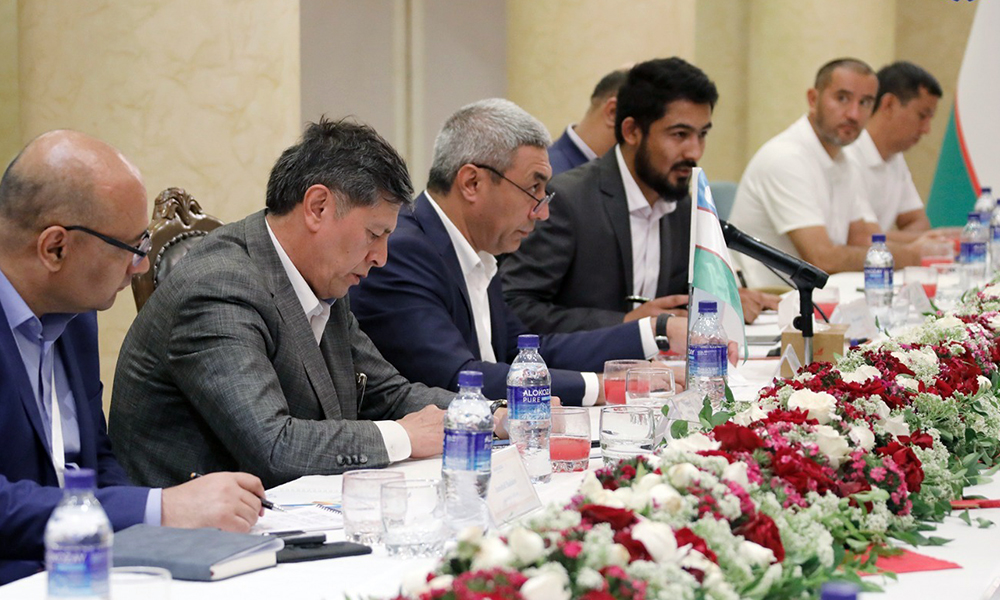
Senior officials from Afghanistan and Uzbekistan held a bilateral meeting to expand economic and commercial cooperation, with a strong focus on the light industry sector.
Kabul 24: The discussions centered on transferring technology, expertise, and manufacturing facilities from Uzbekistan to Afghanistan.
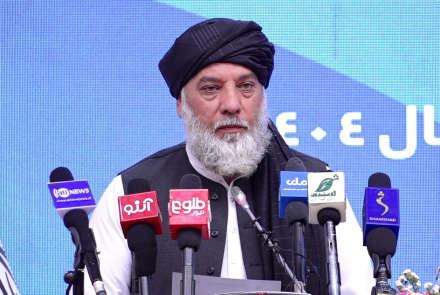
Nooruddin Azizi, Afghanistan’s Minister of Industry and Trade, met with Nazimjon Khalmuradov, Chairman of the Agency for the Development of Light Industry under the Cabinet of Ministers of Uzbekistan, along with their respective delegations.
The meeting aimed to strengthen bilateral economic ties and enable Afghanistan to benefit from Uzbekistan’s successful experience in light industries.
According to the Ministry of Industry and Trade of Afghanistan, both sides engaged in detailed discussions on the full cotton value chain, including standardized cotton cultivation, processing, and yarn production.
Key topics included the transfer of cotton processing factories, leather and cashmere processing units from Uzbekistan to Afghanistan, production of high-quality leather boots, establishment of textile fabric manufacturing in Afghanistan, and the export of Uzbek clothing to the Afghan market.
A major highlight of the talks was the proposed transfer of 20 light industry factories from Uzbekistan to Afghanistan across various sectors. This initiative is expected to significantly boost Afghanistan’s production capacity and create numerous job opportunities.
The two countries also explored joint investments in yarn production within Afghanistan to meet the growing needs of the textile industries in both nations.Additionally, the parties agreed to organize a specialized international exhibition of light industries in the common market of Termez.
This exhibition is anticipated to serve as an important platform for showcasing products, attracting investors, and further expanding bilateral trade.At the conclusion of the meeting, both sides nominated technical and coordination teams to follow up on the discussed issues and ensure their practical implementation.
These teams will be responsible for conducting feasibility studies, addressing technical details, and preparing a clear timeline for project execution.This cooperation is seen as a potential turning point for Afghanistan’s economic development.
By acquiring modern technology and production facilities, Afghanistan can move toward self-sufficiency in textile and leather products while supplying regional markets. Uzbekistan, in turn, will gain access to Afghanistan’s raw materials and consumer market, opening new export avenues.
Experts believe such regional partnerships can play a vital role in promoting economic stability, generating employment, and reducing reliance on foreign aid in Afghanistan.
Successful implementation of these agreements is expected to substantially increase the volume of bilateral trade between the two neighboring countries.