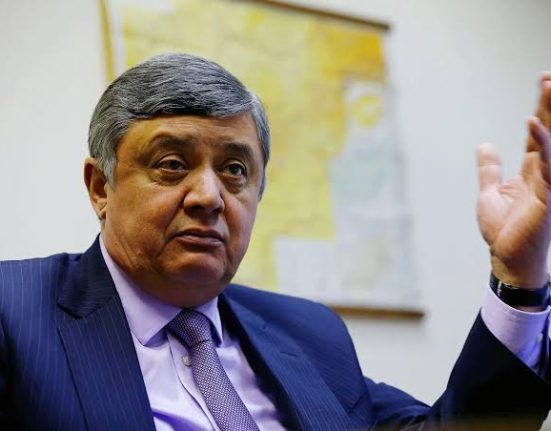

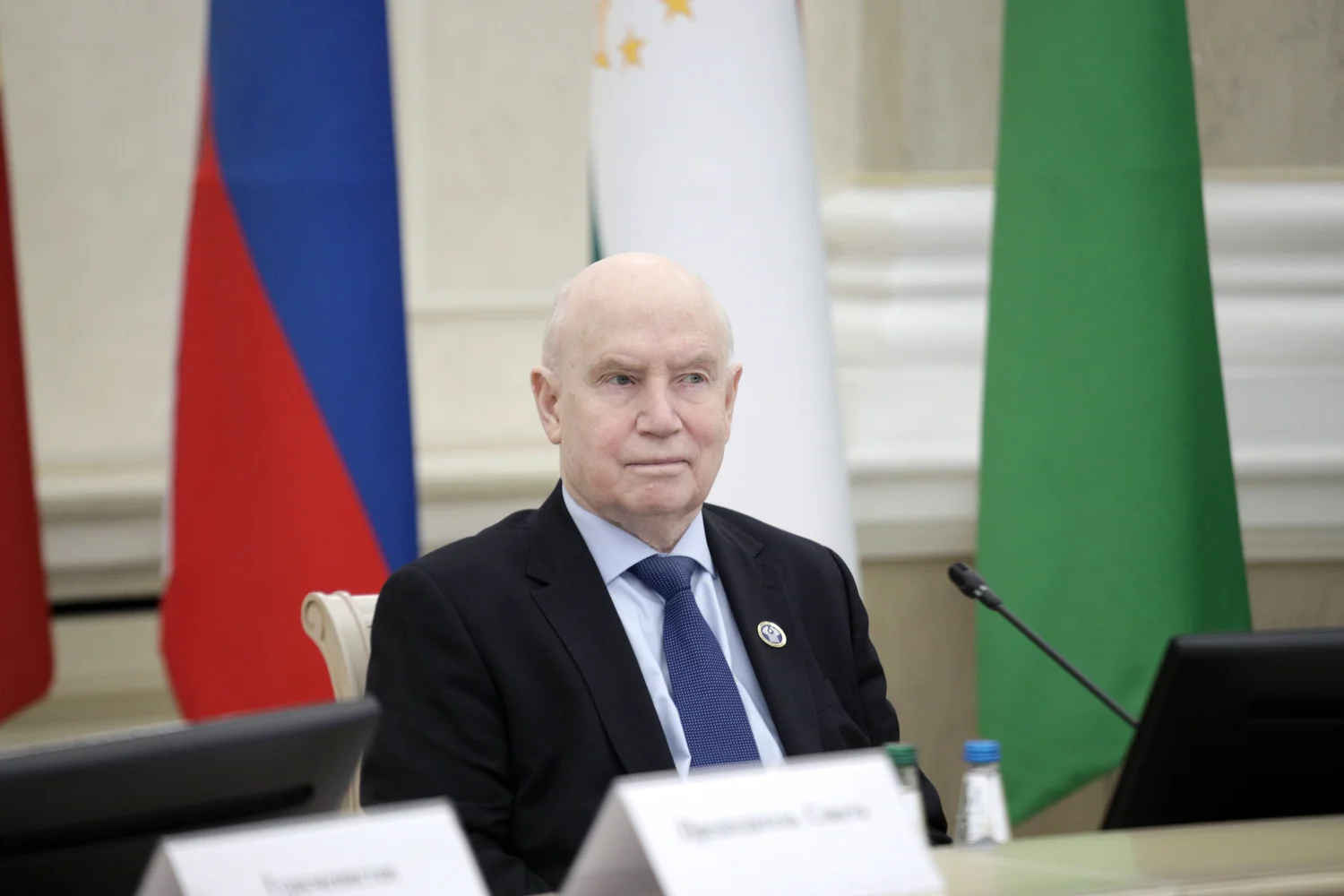
al engagement with Afghanistan, Sergei Lebedev, Secretary General of the Commonwealth of Independent States (CIS), has stated that isolating Afghanistan is not a viable solution and will only lead to a deadlock.
kabul 24: Speaking at the 12th International Scientific and Expert Forum “Primakov Readings,” Lebedev emphasized that CIS member states maintain pragmatic and constructive dialogue with Afghan authorities.
He noted that these engagements focus on encouraging Kabul to intensify its fight against the Islamic State Khorasan Province (ISIS-K) and to combat drug production and trafficking.
Lebedev stressed that regional security cannot be achieved without Afghanistan’s active participation in Eurasian economic and transit projects. “We clearly understand that isolating Kabul leads to a dead end,” he said. “Regional security is impossible without Afghanistan’s involvement in the economic and transit initiatives of Eurasia.”This position reflects a broader shift among regional players toward pragmatic engagement rather than isolation.
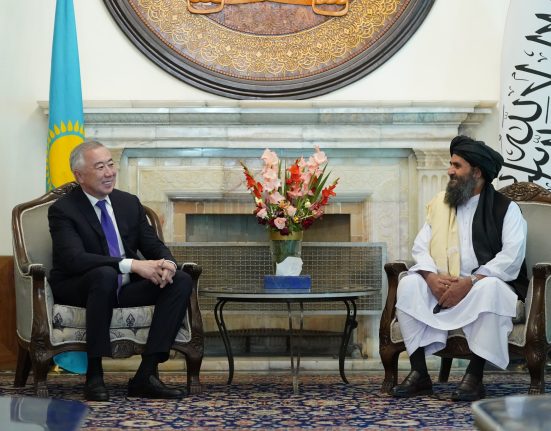
Since the political changes in Afghanistan in 2021, several neighboring countries and organizations have increasingly opted for dialogue and practical cooperation instead of outright exclusion.
The CIS, which includes several Central Asian states bordering or near Afghanistan, sees the country as a critical geographic link in regional connectivity.
The Secretary General highlighted that Afghanistan’s integration into Eurasian economic corridors and transit routes is essential for long-term stability.
These projects could connect South Asia, Central Asia, and beyond, offering economic opportunities that may reduce internal conflicts and limit the space for extremist groups.Lebedev also pointed to shared security threats.
The fight against ISIS-Khorasan, which has claimed responsibility for numerous attacks in the region, remains a top priority.
Equally important is the battle against narcotics, as Afghanistan remains one of the world’s largest producers of opium, with spillover effects including addiction, crime, and funding for militant activities across borders.
Analysts suggest that continued isolation could push Afghanistan further into instability, potentially creating a vacuum that benefits terrorist organizations.
In contrast, conditional engagement — combining incentives with clear expectations on counter-terrorism, governance, and human rights — offers a more realistic path forward.
Lebedev expressed hope that through sustained diplomatic efforts and joint projects, Afghanistan can move toward stability while contributing to broader Eurasian connectivity. The Primakov Readings forum, known for addressing complex geopolitical issues, provided an important platform for these remarks.
This approach by the CIS underscores a key message: Afghanistan cannot be ignored. Its challenges are regional challenges, and its participation is vital for collective security and economic progress in Eurasia.