
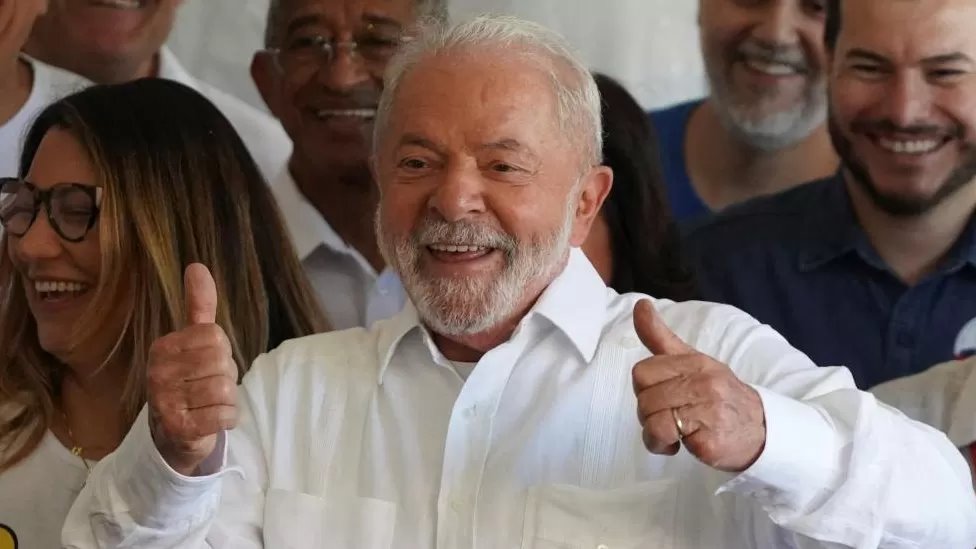
Brazil’s Superior Electoral Court (TSE) has officially confirmed that incumbent President Luiz Inácio Lula da Silva secured re-election in the presidential runoff, garnering 51.79% of the valid vote (over 64 million votes).
Kabul 24: Lula narrowly defeated his conservative challenger, Senator Flávio Bolsonaro of the Liberal Party, who received 48.21%. After trailing in the first round, Lula’s second-round comeback marks a historic fourth presidential term for the veteran leader, solidifying his political legacy as Brazil’s longest-serving president in modern history.
Kabul 24: The highly polarized election unfolded amid intense national debates over economic relief, inflation control, fiscal sustainability, and the protection of the Amazon rainforest. Following the final count, Lula called for national reconciliation, promising to safeguard democratic institutions, expand social safety nets, and foster economic growth. Conversely, conservative opposition leaders highlighted their strong voter turnout as a mandate to scrutinize executive power, setting the stage for tight legislative negotiations in the upcoming term.
Editorial Analysis
Lula’s re-election stabilizes the political alignment in Latin America and reinforces Brazil’s leadership role within international forums such as the BRICS coalition and global climate summits. However, the narrow margin of victory and a robust conservative presence in Brazil’s Congress indicate a deeply divided nation. Consequently, the Lula administration faces substantial structural challenges in negotiating fiscal policy, retaining investor confidence, and building legislative consensus across a fragmented political landscape.