
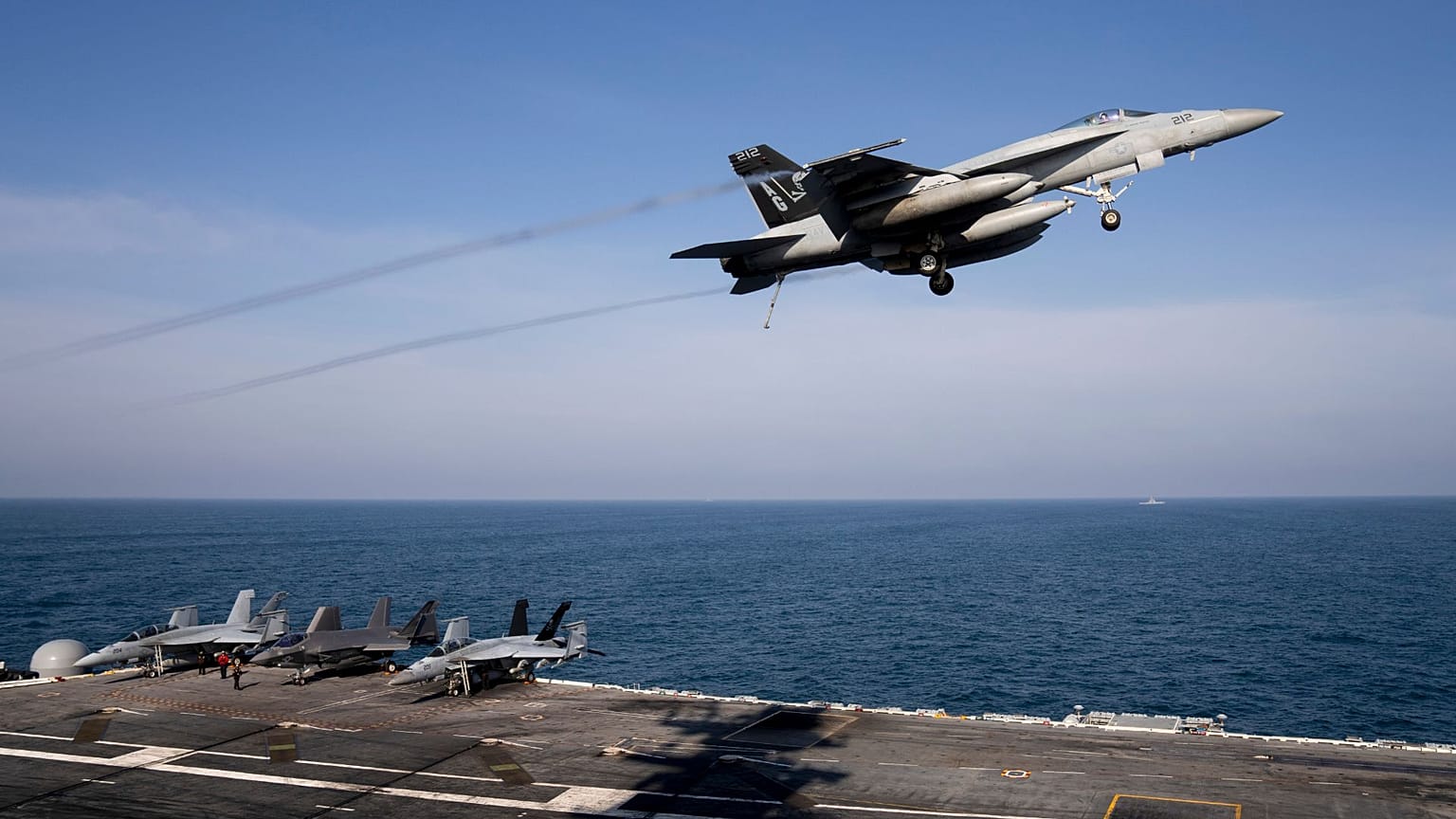
The U.S. Central Command (CENTCOM) announced on Wednesday morning that it had concluded a new round of strikes against Iranian targets.
Kabul 24: The operation, which began in the early hours, targeted more than 80 sites across Iran.In an official statement released at 5:15 AM Tehran time, CENTCOM said U.S. forces struck Iranian air defense systems, command and control networks, coastal radar installations, anti-ship missile capabilities, and over 60 small vessels belonging to the Islamic Revolutionary Guard Corps (IRGC) in and around the Strait of Hormuz.
The strikes were carried out to degrade Iran’s ability to threaten international maritime trade in this vital global corridor.CENTCOM stated: “Iran recently attacked three commercial vessels transiting the Strait of Hormuz, including the Marshall Islands-flagged MT Al-Raiqat, the Saudi-flagged MT Wadiyan, and the Liberian-flagged MT Cyprus Prosperity.
These unprovoked attacks by Iranian forces represent a clear and dangerous violation of the ceasefire and undermine freedom of navigation.”Notably, Iran has not claimed responsibility for the attacks on the commercial ships.
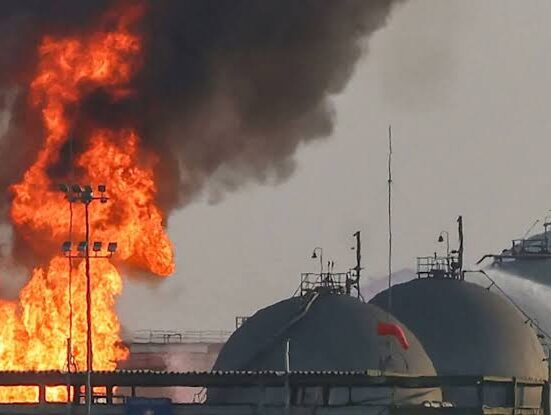
Local Iranian media reported multiple explosions in southern Iran. According to Mehr News Agency, seven explosions occurred in the Taherui village area of Sirik county, with additional blasts heard in Bandar Abbas and Qeshm Island.
This marks the first direct U.S. strikes on Iran since the brief but intense exchange of fire between the two sides last month.
Analysts warn that the latest escalation could drag both nations back into a dangerous cycle of retaliation and jeopardize the recently brokered Islamabad agreement aimed at de-escalating tensions.
CENTCOM further warned that American forces “remain ready and will hold Iran accountable for any further violations or failure to adhere to agreements.”The Strait of Hormuz is one of the world’s most critical energy chokepoints, through which a significant portion of global oil supplies passes daily.
Any disruption in this waterway can have far-reaching consequences for international energy markets and economic stability.
The development comes amid heightened concerns over maritime security in the Persian Gulf region, where repeated incidents have raised fears of broader conflict that could draw in other regional and international actors. U.S. officials emphasized that the strikes were limited and focused on neutralizing immediate threats to commercial shipping, while signaling readiness for further action if necessary.