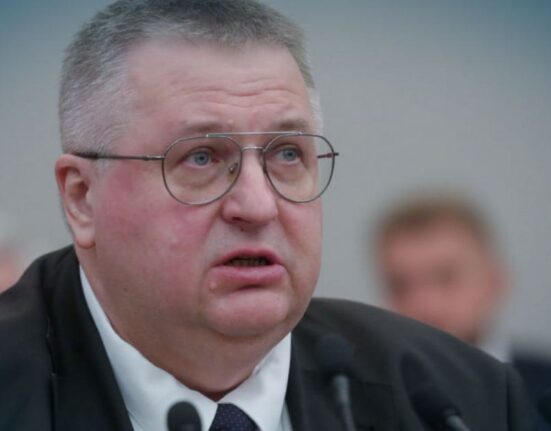

A recent report by the United Nations Office on Drugs and Crime (UNODC), which alleges a dramatic surge in opium poppy cultivation and production in Afghanistan, has drawn sharp criticism from Russia’s Ministry of Foreign Affairs. Moscow dismissed the assessment as “unbalanced” and “politically motivated,” casting doubt on the credibility of its findings.
Kabul 24: In an official statement, the Russian Foreign Ministry argued that the UN agency’s conclusions rely heavily on indirect evidence—primarily satellite imagery—rather than on-the-ground realities, noting that such data is open to vastly different expert interpretations.
Russian diplomats also questioned the logic behind the report’s claims, asking why the current authorities in Kabul, who are actively seeking broad international recognition and global trust, would undermine their own political credibility by allowing illicit drug cultivation to flourish. According to Moscow, the UN report fails to offer any convincing or logical explanation for this apparent contradiction.
Russia further emphasized the need for a constructive approach to the narcotics issue in Afghanistan, urging the international community to pursue joint cooperation and practical support for the Islamic Emirate’s counter-narcotics efforts rather than publishing one-sided assessments.
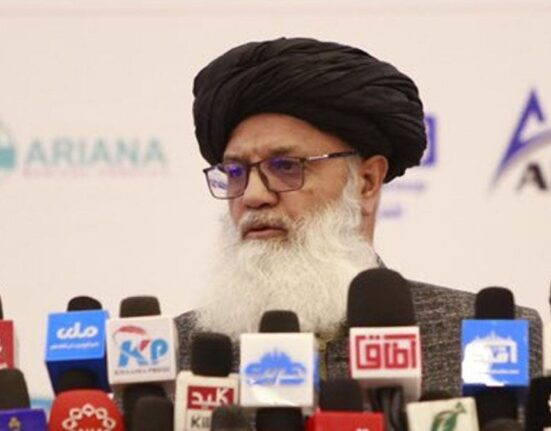
Moscow’s pushback comes shortly after the UNODC reported a 330 percent spike in poppy cultivation and a 400 percent increase in opium production across Afghanistan—figures that the Islamic Emirate swiftly rejected as baseless and disconnected from the country’s current realities.
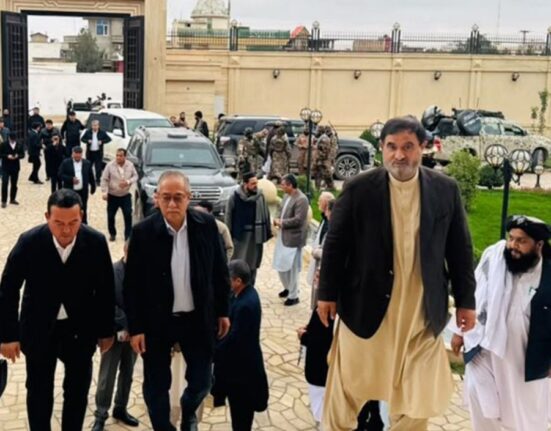
In a related diplomatic development, Khalifa Sirajuddin Haqqani, the Acting Minister of Interior of the Islamic Emirate, met in Kabul with Kenichi Masamoto, Japan’s Ambassador to Afghanistan. The two officials discussed expanding bilateral relations, the broader security situation, and Kabul’s ongoing initiatives and achievements in combating drug cultivation and trafficking.
Through direct diplomatic engagement with regional and global partners, officials in Kabul appear determined to present their own narrative on security and counter-narcotics while pushing back against statistical pressure from international bodies.