
The Trump administration has proposed a significant change to entry requirements for foreign tourists from visa-waiver countries.
Kabul 24: Under a notice published in the Federal Register on December 10, 2025, by U.S. Customs and Border Protection (CBP) and the Department of Homeland Security (DHS), travelers applying for the Electronic System for Travel Authorization (ESTA) may soon be required to mandatorily provide their social media activity history from the past five years.
This proposal stems from President Donald Trump’s January 2025 Executive Order 14161, titled “Protecting the United States From Foreign Terrorists and Other National Security and Public Safety Threats,” which calls for enhanced vetting of incoming travelers.
Currently, ESTA allows citizens of approximately 42 countries — including the United Kingdom, France, Germany, Australia, Japan, South Korea, Israel, and many European nations — to visit the U.S. for up to 90 days without a visa.
The application, which costs $40 and is valid for two years with multiple entries, requires basic information like passport details and any criminal history. Social media disclosure has been optional, with no negative consequences for skipping it.
The new rule would make social media information a mandatory field. While exact details (such as specific platforms, usernames, or post content) are not fully specified yet, applicants would need to disclose accounts used over the past five years. Additional “high-value data elements” could include:Phone numbers and email addresses used in the last five (or up to ten) years,
Detailed information about immediate family members (names, birth dates, birthplaces, residences, and phone numbers),
Metadata from uploaded photos,
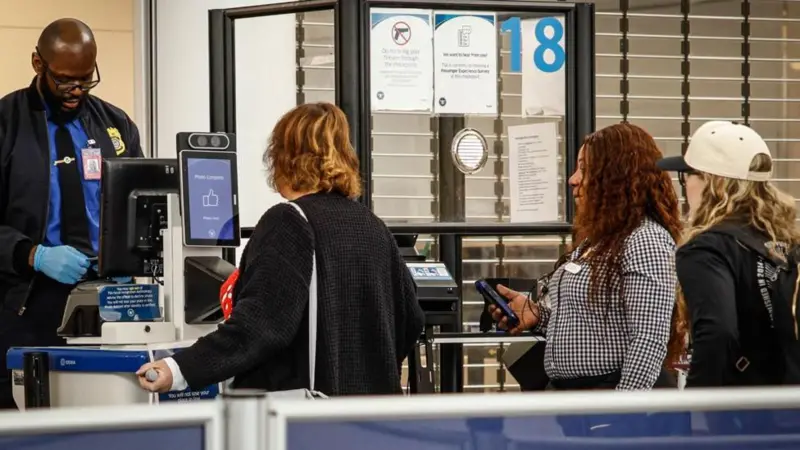
Biometric data, such as selfies (mandatory via a mobile app), fingerprints, iris scans, or even DNA where feasible.
CBP states these changes aim to improve identity verification and national security screening.
The ESTA process may shift to mobile-only, requiring live selfies for facial matching against passport photos.Critics argue the proposal could infringe on privacy rights, encourage self-censorship, and deter tourism. The U.S. is already experiencing a decline in international visitors in 2025, with projections of reduced spending amid broader immigration restrictions.
Upcoming events like the 2026 FIFA World Cup (co-hosted with Canada and Mexico) and the 2028 Los Angeles Olympics are expected to draw millions, potentially complicating travel for fans.The proposal is not final.
A 60-day public comment period is open (until early February 2026), allowing feedback before any implementation.
CBP has emphasized that no changes are immediate, and special provisions (like faster processing) may apply for World Cup ticket holders.This builds on prior Trump-era policies, which made social media screening mandatory for regular visa applicants since 2019, now extending to visa-free travelers.