
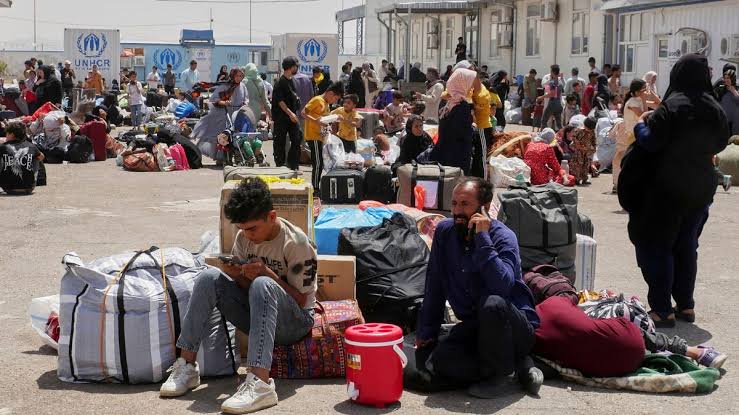
Kabul – The head of UN-Habitat’s Afghanistan programme has warned that the return of Afghan migrants from Iran and Pakistan is accelerating rapidly, with predictions that nearly two million more people could return to Afghanistan in 2026.
kabul 24: Stephanie Loose, Country Programme Manager for UN-Habitat in Afghanistan, stated that more than 2.8 million Afghans returned from the two neighbouring countries in 2025 alone.
This brings the total number of returnees since September 2023 to over three million. According to World Bank estimates, this massive influx has increased Afghanistan’s population by more than 10 percent — a surge that is extremely difficult to manage, especially in a country already grappling with a high number of internally displaced people.
Loose highlighted that many returnees arrive in highly vulnerable conditions and often settle in unplanned and informal urban areas. “They urgently need shelter, access to basic services, and livelihood opportunities to become self-reliant,” she said.
She added: “Only when these individuals gain access to sustainable income sources can they become independent and create durable solutions for their lives.”The large-scale returns are placing enormous pressure on Afghanistan’s already strained infrastructure, housing, and public services.
Many returnees, some of whom lived abroad for over twenty years, face challenges including loss of assets, family separation, and limited access to water, sanitation, healthcare, and education.Meanwhile, some migrant rights activists are calling on host countries to respect international migration conventions.
Zakiullah Mohammadi, a university lecturer, commented: “Afghan migrants lived there for twenty years — they built homes, established families and businesses — yet Pakistan is forcibly deporting them instead of supporting them, which violates all international laws.”Earlier, the UN Refugee Agency (UNHCR) reported that over 86,000 Afghans returned in just one month between 11 March and 11 April.
Experts warn that without sufficient international support to provide shelter, basic services, and job opportunities, this wave of returns could worsen the humanitarian crisis in Afghanistan and increase tension in host communities.
The Islamic Emirate of Afghanistan and UN agencies are working to manage the situation, but urgent and long-term planning is required for the sustainable reintegration of returnees.