
According to the latest report released by Uzbekistan’s National Statistics Committee and cited by Trend News Agency, the volume of trade between Uzbekistan and Afghanistan surged to $298.4 million during the first two months of 2026 (January–February).
Kabul 24: This figure represents an 8.2 percent increase compared to the same period in 2025, when bilateral trade stood at $275.9 million.
The data highlights continued growth in economic ties between the two neighboring countries despite regional challenges.Over a longer timeframe, the expansion is even more remarkable. In the first two months of 2024, trade turnover was recorded at $131.2 million.
The current level marks a dramatic rise of approximately 127.5 percent over the past two years, effectively more than doubling the volume in just 24 months.Afghanistan remains one of Uzbekistan’s key trading partners, consistently ranking among the top 20 countries in terms of bilateral trade volume.
The relationship is heavily export-oriented: Uzbekistan’s exports to Afghanistan reached $289.1 million in the reporting period, accounting for a dominant 96.9 percent of total bilateral trade.
Imports from Afghanistan, by contrast, were minimal, underscoring the one-sided nature of the current trade balance.The composition of trade primarily includes agricultural products, energy resources, and industrial and manufactured goods.
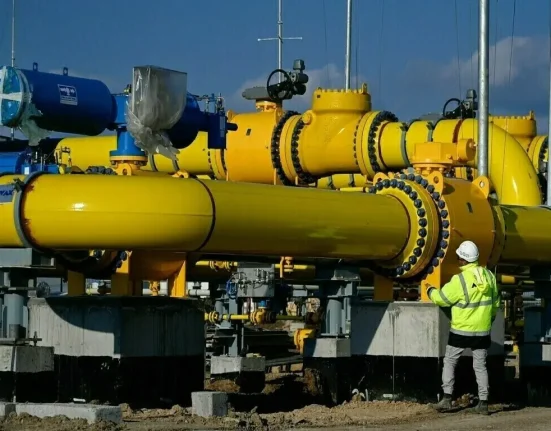
Uzbek exports to Afghanistan often feature refined petroleum products, fertilizers, construction materials, and various foodstuffs, while Afghan exports typically involve fresh and dried fruits, nuts, and other agricultural commodities.
In the broader context, Uzbekistan’s overall foreign trade turnover for January–February 2026 reached $11.6 billion, reflecting the country’s active engagement with more than 160 nations worldwide.
This positions Uzbekistan as a growing economic hub in Central Asia, with Afghanistan playing a strategically important role due to geographic proximity and shared border infrastructure projects.
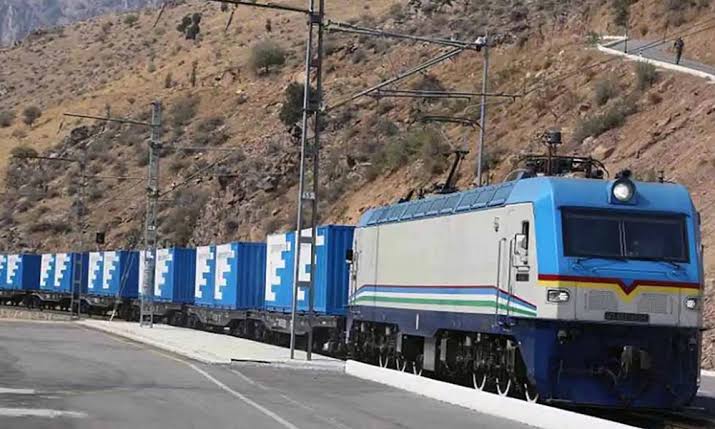
Experts view the steady increase in Uzbekistan-Afghanistan trade as a positive sign of economic normalization and regional connectivity efforts. Both countries have been working on improving transport corridors, energy supplies, and cross-border facilities to further facilitate commerce.
Recent high-level discussions have even set ambitious targets to push annual bilateral trade toward several billion dollars in the coming years.
The sustained growth demonstrates the resilience of economic relations between Tashkent and Kabul and their potential contribution to stability and development in Central and South Asia.