
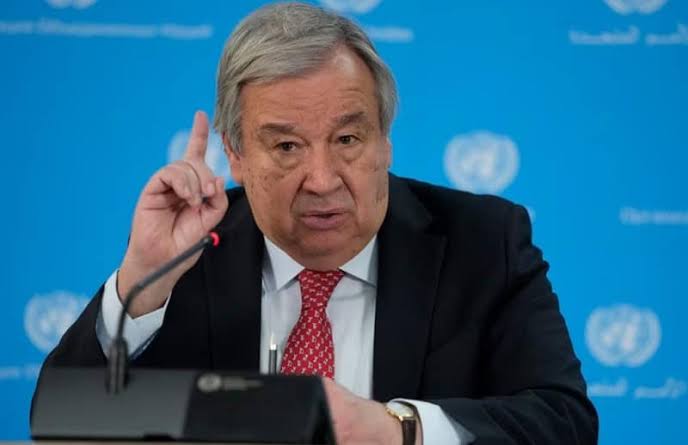
UN Secretary-General António Guterres, during an official visit to Pakistan, emphasized the necessity of adhering to international standards and human dignity in the repatriation process of Afghan refugees.
Kabul 24: Speaking at a press conference in Islamabad, Guterres commended Pakistan’s decades-long hospitality in hosting millions of Afghans and stressed that any return of refugees to their homeland must be strictly voluntary, safe, and dignified. He reiterated the UN’s commitment to collaborating closely with Pakistani authorities to uphold international protection principles for refugees.
Concurrently, senior Pakistani officials raised firm positions regarding cross-border security challenges. Foreign Minister Ishaq Dar expressed grave concern over what he termed the continuous use of Afghan territory for terrorist attacks against Pakistan, urging the United Nations and the international community to assist in addressing these security threats.
Similarly, Pakistani President Asif Ali Zardari reiterated these concerns during his meeting with Guterres, alleging that militant groups operate from within Afghanistan and stating that Pakistan has shared evidence regarding foreign support for terrorist proxies targeting the country. Zardari underscored that Afghan soil should not be utilized against Pakistan or any other nation.
These allegations come as the Islamic Emirate of Afghanistan once again rejected the presence or activity of irresponsible armed groups within the country. Dismissing Islamabad’s claims, authorities in Kabul reiterated that Afghanistan is not responsible for Pakistan’s internal security challenges and remains committed to preventing its territory from being used against other nations.
The statements by the UN Secretary-General and Pakistani leadership highlight the complex intersection of humanitarian refugee issues and regional security dynamics between Kabul and Islamabad. Guterres’ emphasis on voluntary repatriation serves as a diplomatic signal against forced or collective deportations of Afghan refugees. Meanwhile, Pakistan’s push to highlight cross-border terrorism in high-level UN engagements reflects an effort to exert diplomatic pressure on Kabul and secure international backing.
However, Kabul’s firm denial of these charges underscores that resolving these bilateral tensions requires direct dialogue, verified intelligence sharing, and mutual trust-building mechanisms.