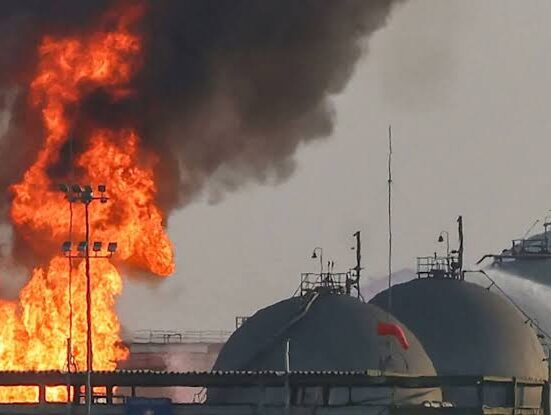

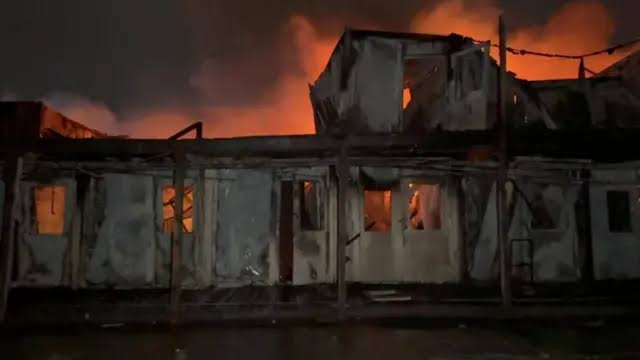
Amnesty International has released a new report demanding an independent investigation into the March 16 airstrike by Pakistan’s military on the “Omid” drug rehabilitation center in Kabul, describing it as a possible war crime.
Kabul 24: The human rights organization stated that it found no credible evidence to support Pakistan’s claim that the facility was being used for military purposes.
Amnesty International emphasized that the Omid center was a civilian medical facility and did not constitute a legitimate military target.According to the report, no prior warning was issued to evacuate patients, staff, or nearby residents before the strike.
This absence of warning has raised serious concerns about the violation of international humanitarian law. After thoroughly examining dozens of videos, photographs, satellite imagery taken before and after the attack, and conducting interviews with eyewitnesses, Amnesty International concluded there were no signs of weapons, ammunition, military equipment, or secondary explosions at the site.
The Omid center was actively providing treatment to dozens of drug addiction patients, many of whom were vulnerable civilians. The airstrike resulted in deaths and injuries among patients and staff, delivering a heavy blow to essential healthcare services in the area.
Citing the principles of international humanitarian law, Amnesty International stressed that attacking civilian objects without a clear and present military threat, and without adequate warning, constitutes a serious breach of the laws of war.
The organization has called on Pakistan to conduct a transparent, independent, and impartial investigation into the incident and hold those responsible accountable.
This latest report has once again drawn international attention to the urgent need to protect civilians during armed conflicts. Amnesty International warned that failure to ensure accountability could set a dangerous precedent for further violations of human rights in the region.
The statement comes amid ongoing border tensions between Pakistan and Afghanistan, where civilians continue to bear the heaviest cost of the conflict.
Human rights groups hope the report will generate international pressure for greater transparency and help prevent similar incidents in the future.