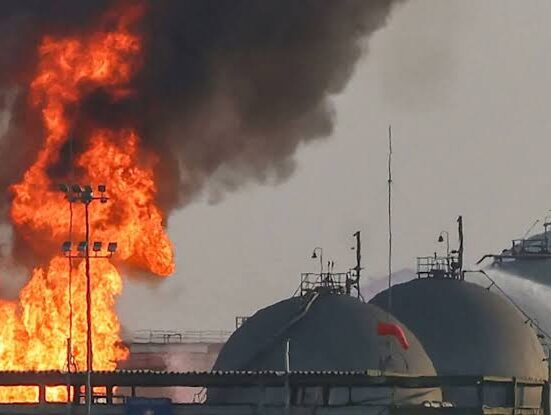

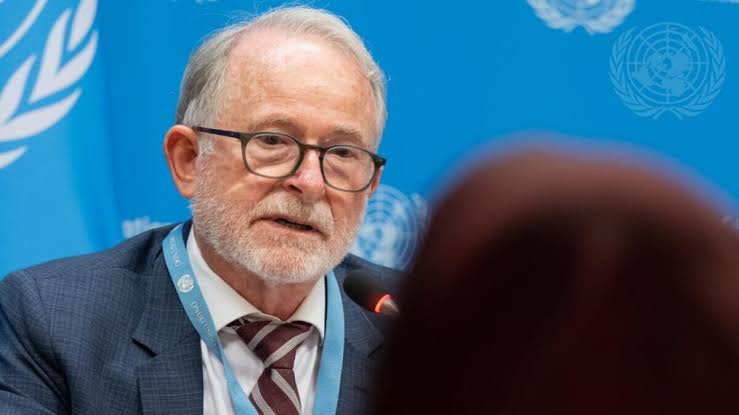
Following continuous civilian casualties resulting from Pakistani military airstrikes and cross-border shelling in parts of Afghanistan, Richard Bennett, the UN Special Rapporteur on the situation of human rights in Afghanistan, stated that targeting civilians and non-military facilities including an attack on a drug rehabilitation center in Kabul likely constitutes “war crimes” for which Pakistan must be held accountable.
Kabul 24: Emphasizing that victims and their families deserve legal recourse and justice, Bennett called for a full and independent investigation into these incidents by international human rights mechanisms and the International Criminal Court (ICC).
These statements come as victims and families of the deceased, including survivors of the aerial attack on the “Omid Camp” in Kabul, demand the prosecution of those responsible in international courts. Under international humanitarian law and Article 8 of the Rome Statute, intentional or indiscriminate attacks against civilians, women, children, and medical facilities are classified as war crimes.
Data provided by the United Nations Assistance Mission in Afghanistan (UNAMA) reveals that Pakistani cross-border and air operations in recent years have killed or injured over 1,100 civilians, including dozens of children, across various Afghan provinces. This situation has heightened serious international concern over grave violations of humanitarian law along the shared border.
Analysis
The explicit stance taken by the UN Special Rapporteur elevates the legal and international dimension of the ongoing conflict between Pakistan and Afghanistan. By invoking the Rome Statute and raising the likelihood of “war crimes,” heavy diplomatic and legal pressure is placed on Islamabad to halt its unilateral military strikes.
However, in the absence of a direct enforcement mechanism or a swift commitment by the International Criminal Court to open a formal investigation, achieving tangible justice for victims of these cross-border attacks will face complex political hurdles at both regional and global levels.