
Heavy snowfall and intense storms have struck wide areas of Afghanistan in recent days, causing significant loss of life, property damage, and major disruptions to transportation and services.
Kabul 24: According to the National Disaster Management Authority, at least 11 people have been killed and 3 others injured due to the severe weather across several provinces, including Parwan, Maidan Wardak, Kandahar, Jawzjan, Faryab, and Bamiyan.
Hundreds of livestock have perished, and multiple homes have been partially or fully destroyed by snow accumulation, avalanches, and related incidents.
The Ministry of Public Works reported that key national highways have been temporarily closed to traffic due to deep snow and ongoing blizzards.
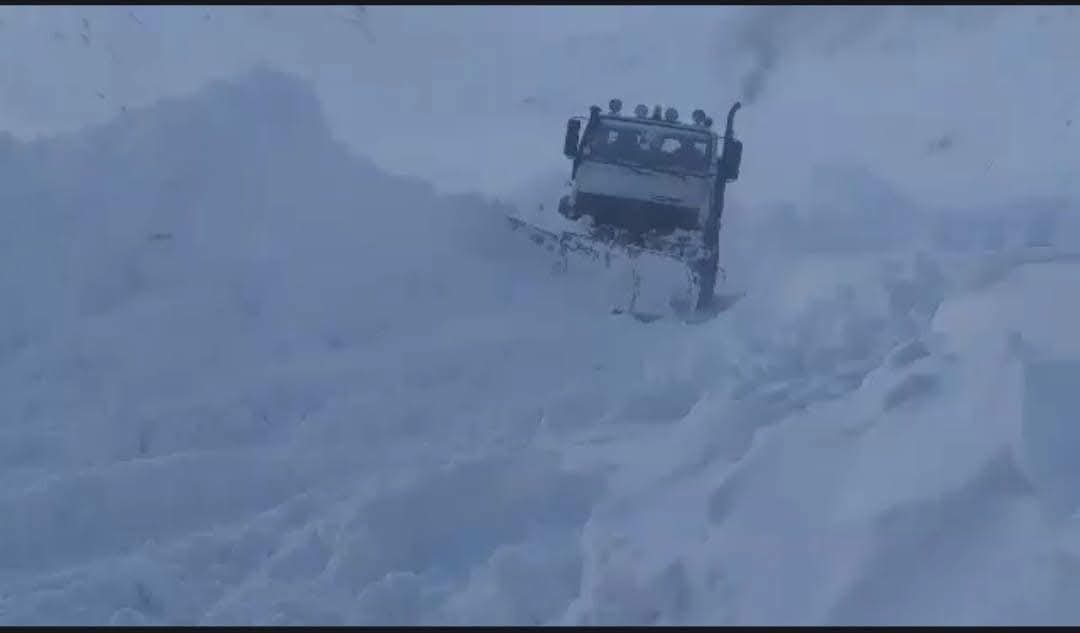
The strategic Salang Pass — the vital link between Kabul and northern provinces — remains blocked, with snow depths reaching nearly 5 meters in the northern section and about 3 meters in the southern section. Clearance efforts are underway but hampered by continuing storms and poor visibility.
Other affected routes include major roads in Ghazni, Daikundi, Bamyan, Ghor, Khost, and Maidan Wardak provinces, severely restricting movement of people and goods.
In Herat province, local authorities worked through the night to rescue hundreds of vehicles stranded on critical routes such as Herat–Islam Qala, Herat–Torghundi, and Herat–Kandahar, preventing further casualties.
The heavy snow and high winds have also disrupted electricity imports from Turkmenistan, leading to a power outage in Mazar-i-Sharif city and affecting daily life in northern regions.
Despite the hardships and tragedies, these widespread snowfalls have brought hope to many drought-affected areas, as farmers and herders welcome the moisture that could help alleviate long-term water shortages and improve future harvests.
However, vulnerable low-income families in remote regions face acute challenges, including shortages of food, fuel, and basic necessities amid the harsh winter conditions.
This severe weather event underscores the urgent need for improved early-warning systems, better winter preparedness by local authorities, enhanced road maintenance and snow-clearing capacity, and rapid humanitarian support for those most impacted.
Forecasts suggest that snowfall may persist in some areas, potentially delaying the reopening of blocked highways until conditions stabilize.