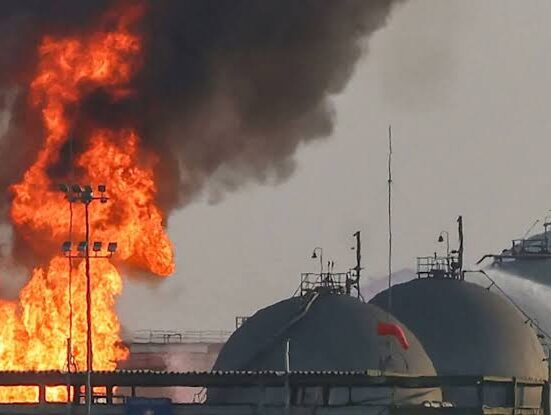

The effectiveness of the Mecca Pact was called into question sooner than expected. Following attacks on Saudi Arabia’s critical infrastructure, the Houthis today seized control of the Port of Mokha—a strategic bottleneck on the Red Sea coast. If consolidated, this achievement will mean expanding their control over the Bab-el-Mandeb Strait and further tightening their grip on Saudi Arabia.
Kabul 24: Meanwhile, Pakistan has warned the Houthis that an aggression against Saudi Arabia could trigger the Mecca Pact. Turkey, on the other hand, has merely confined itself to verbal condemnation without making any mention of the pact.
Now the question must be asked: How serious is Pakistan’s threat?
The answer is: Virtually not at all!
First, apart from the United States, there is hardly any country capable of overcoming technical and logistical hurdles to maintain a chain of command and execute offensive operations far beyond its immediate surroundings.
Pakistan can only intervene effectively in Yemen if it coordinates with the U.S. Central Command (CENTCOM) in the region or if Saudi infrastructure is placed at its disposal.
Naturally, this would be a highly challenging decision, triggering widespread and diverse political, economic, and geopolitical opposition within Pakistan.
Aside from strong anti-American sentiments, Pakistan’s social cohesion would be placed at risk due to the presence of a significant Shia minority.
Furthermore, if this intervention were to be strictly aerial, what could it possibly add to the hundreds and thousands of sorties already flown by Saudi Arabia, Israel, and the United States?
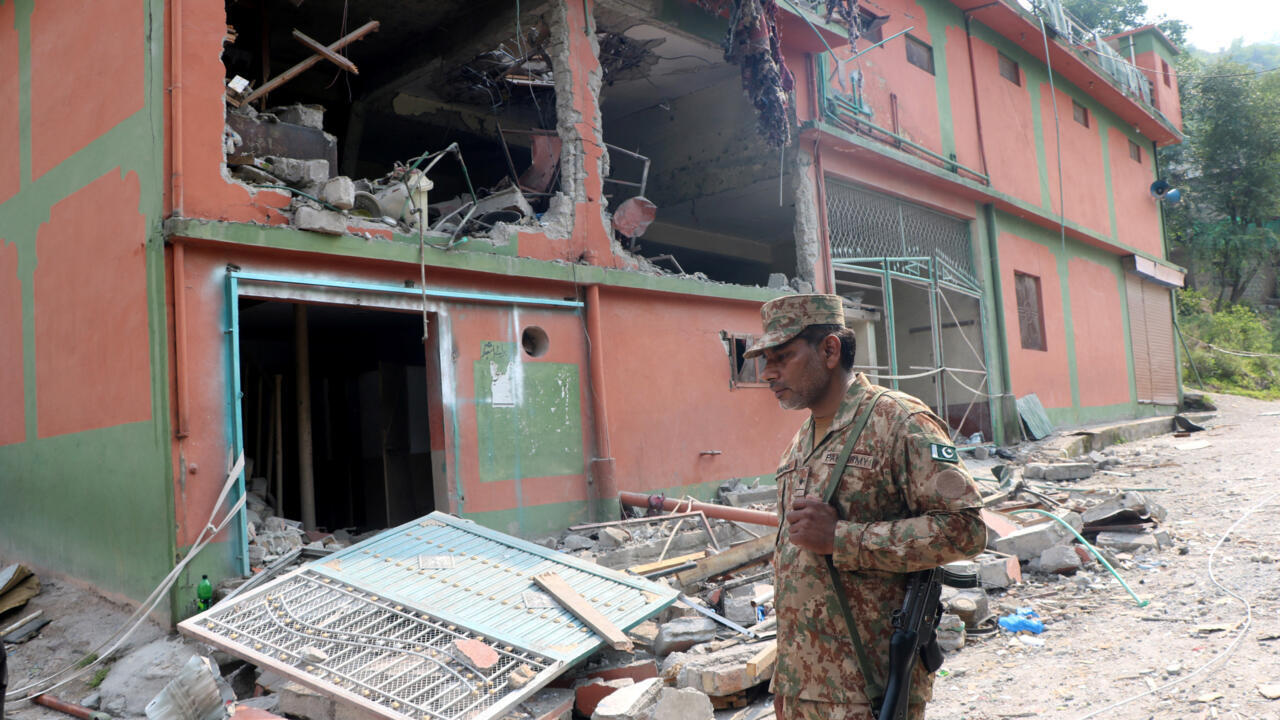
The reality is that Pakistan possesses a powerful military, even setting aside its nuclear arsenal. However, its deterrence and power projection are strictly limited to its near abroad and immediate neighbors—not distant territories.
Over the past six months, as conflicts between Iran and the United States persisted, Islamabad served as one of the primary mediators. This is a role that seemingly contradicts its membership in the Mecca Pact, yet aligns perfectly with the nature of its government and geopolitical standing: A regional bully continuously preparing for a confrontation with a larger rival. It acts recklessly when attacking smaller opponents like Afghanistan; displays a sense of “chivalrous compromise” toward serious, peer-sized neighbors like Iran while attempting to settle disputes; and merely beats its chest from afar at the Houthis.
Of course, all these roles are performed not for free, but with detailed invoices attached.
Salahuddin Khadiv