
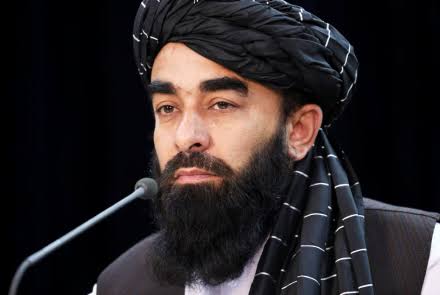
In response to a newly released human rights report by the United Nations Assistance Mission in Afghanistan (UNAMA), Zabihullah Mujahid, official spokesperson for the Islamic Emirate, voiced sharp criticism, accusing the organization of violating its principle of neutrality and engaging in propaganda against the ruling system.
Kabul 24: Writing on X, Mujahid emphasized that detentions conducted by security agencies align with national laws. He argued that instead of acting as an impartial mediator to bridge gaps between Kabul and the international community, UNAMA is portraying a negative image of the country. He urged the mission to ground its assessments in accurate data and objective realities on the ground.
In contrast, Farhan Haq, Deputy Spokesperson for the UN Secretary-General, defended UNAMA’s findings, stating that the report documented at least 443 cases of arbitrary arrest and detention, as well as 97 instances of ill-treatment of citizens by officials from the Ministry for the Propagation of Virtue and the Prevention of Vice.
He also highlighted the suspension of several media outlets and the ongoing arbitrary detentions of journalists. Meanwhile, Afghan women’s rights activists called on the interim government to respect their basic rights while urging the global community to maintain its support for Afghan women.
This verbal confrontation once again underscores the deep-seated challenges characterizing relations between the Islamic Emirate and the United Nations, coming after previous criticisms from Kabul alleging that UNAMA has failed in its mission to reintegrate Afghanistan into the international fold.
Analysis
Zabihullah Mujahid’s recent statements highlight growing dissatisfaction in Kabul over UNAMA’s monitoring and reporting framework. The Islamic Emirate seeks to frame international human rights reporting as a political tool aimed at applying pressure and painting a negative narrative, whereas the UN considers documenting human rights violations a non-negotiable aspect of its mandate. This diplomatic impasse and mutual recrimination present a significant obstacle to building trust, addressing misunderstandings, and moving toward normalized relations between Afghanistan and the international community.