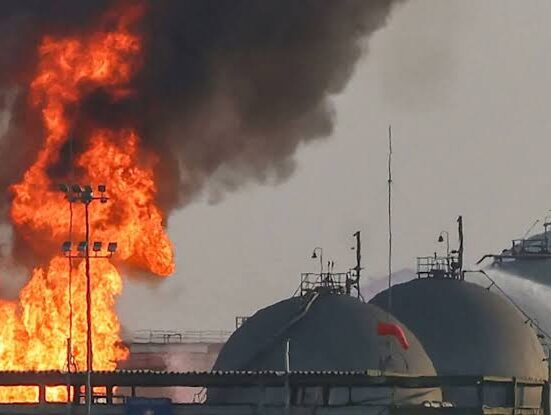


Oil prices rose sharply on Monday as tensions between the United States and Iran intensified, raising fears of major disruptions to energy exports through the Strait of Hormuz.
Kabul 24: In early trading, benchmark global crude jumped 3.2 percent to $90.95 per barrel. US crude also climbed 2.8 percent to $84.04 per barrel.
The increases came after the US conducted strikes on Iran for the ninth consecutive night. In response, Iran targeted American allies across the Middle East, further heightening the risk of a broader conflict that could threaten global oil supplies.
The Strait of Hormuz, a critical chokepoint through which about one-fifth of the world’s oil passes, has become the focal point of market anxiety.
Any closure or significant disruption in this waterway could send prices soaring well above $100 per barrel.
Analysts warn that prolonged fighting could reduce oil output and trigger supply shortages, especially if shipping routes are attacked or blocked.
This marks the second time since the conflict began that average US gasoline prices have topped $4 per gallon, according to industry reports.
The surge is adding pressure on consumers and contributing to broader economic concerns, including higher inflation in oil-importing nations such as China, India, and European countries.On the diplomatic front, calls for restraint have grown.
The United Nations Secretary-General urged both sides to exercise caution, while the European Union expressed deep concern over the situation.
Some Arab states in the region are coordinating with the US to protect shipping lanes and strengthen their defenses.
Financial markets reacted nervously to the developments. Investors shifted toward safer assets, and cryptocurrency values also declined amid the uncertainty.
Energy companies are assessing operational risks, with many preparing contingency plans for their activities in the Persian Gulf.Experts believe the situation remains fluid.
If the clashes continue, volatility in oil markets is expected to intensify. President Trump stated that American strikes have significantly damaged Iranian military capabilities and emphasized control over key waterways to prevent nuclear advancement.
This episode once again underscores the Middle East’s central role in global energy security.
Any prolonged instability in the Strait of Hormuz would not only affect oil prices but also ripple through the world economy, influencing everything from transportation costs to manufacturing and consumer goods.
Markets are now closely watching for the next developments in this high-stakes confrontation, hoping for de-escalation before the situation spirals further.
The coming days will be critical in determining the trajectory of both energy prices and regional stability.