
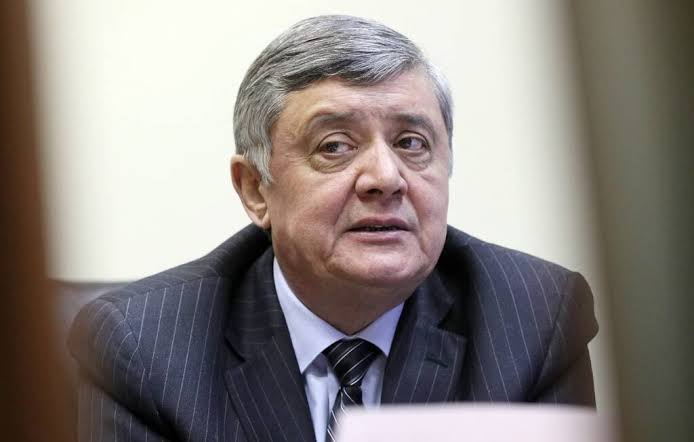
Zamir Kabulov, Russia’s Special Representative for Afghanistan, has praised the Islamic Emirate of Afghanistan, stating that Kabul is making “every effort” to counter terrorism and drug trafficking.
Kabul 24: These remarks came a day after Russia formally recognized the Islamic Emirate, becoming the first country to establish official diplomatic relations with the Taliban-led government.
Speaking to Russia Today on Friday, July 4, 2025, Kabulov described the move as a necessary step to foster comprehensive political engagement and legally grounded cooperation between Moscow and Kabul.Kabulov noted that economic cooperation with Afghanistan had already begun but required formal recognition to be “legally complete.” He emphasized, “The time has come for our political engagement to proceed with full conditions and terms.” This statement underscores Russia’s intent to deepen ties with the Islamic Emirate, signaling a strategic shift in its regional policy.
Drawing on his experience as a former Russian ambassador to Kabul, Kabulov highlighted that the Islamic Emirate has evolved significantly since its rule in the 1990s.
He described the current Taliban leadership as a national movement focused on Afghanistan’s internal interests, prioritizing domestic stability and security.
According to Kabulov, the Taliban’s efforts to combat terrorism and curb drug trafficking reflect a commitment to responsible governance.Russia’s recognition of the Islamic Emirate on July 3, 2025, by accepting the credentials of Afghanistan’s new ambassador, has sparked varied reactions.
The Taliban hailed the decision as a “bold” step toward international legitimacy, while opposition groups, such as the National Resistance Front, criticized it as contradictory to Afghanistan’s historical ties with Russia and potentially empowering terrorist groups.
Kabulov’s comments suggest Russia views this move as aligning with its broader regional interests, including economic and security cooperation.
This development could reshape regional dynamics, particularly affecting neighboring countries like Pakistan, which has repeatedly raised concerns about terrorist safe havens in Afghanistan—claims consistently rejected by Kabul.