
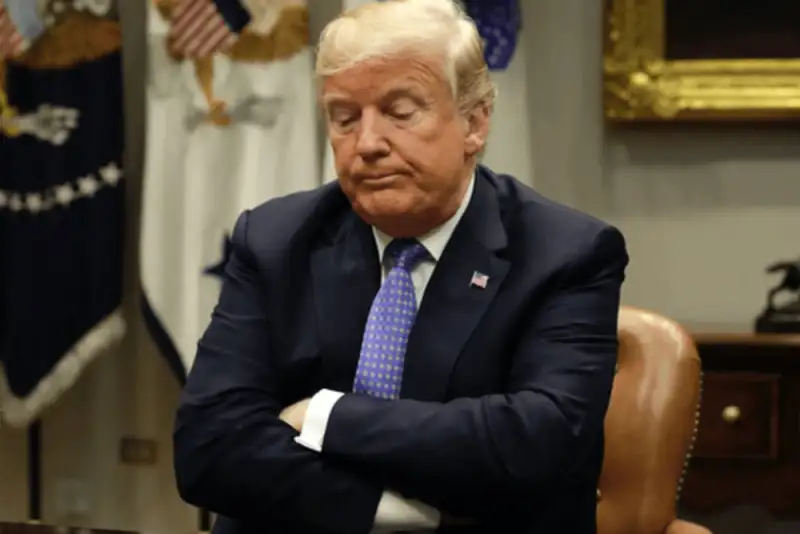
U.S. President Donald Trump has officially rejected the Islamic Republic of Iran’s proposed peace plan, describing it as “completely unacceptable.” This firm rejection marks the collapse of the latest diplomatic effort to resolve the ongoing crisis, leaving the military option as the only viable path forward on the table.
Kabul 24: According to Al Mayadeen reports, Iran’s proposal conditioned peace and stability inside Iran on achieving a comprehensive peace in Lebanon.
This linkage highlights Tehran’s deep interconnection between its domestic situation and regional developments, particularly regarding Hezbollah and the Axis of Resistance. Iran also tied the removal of its enriched uranium stockpiles to a sufficient period of time needed to “build mutual trust” between Washington and Tehran, insisting that unilateral steps to reduce enrichment levels are impossible without serious security and economic guarantees.
Citing Al Arabiya, Iran’s plan firmly opposes any permanent closure or shutdown of its nuclear facilities. Instead, Tehran only offered to allow International Atomic Energy Agency (IAEA) inspectors access to these sites.
This position is widely viewed as an attempt to preserve its nuclear program as a key strategic leverage against Western pressure.
The Iranian proposal, which appeared aimed at de-escalating tensions and preventing direct conflict, failed to meet American expectations. U.S. officials described the plan as lacking concrete, verifiable commitments to seriously curb Iran’s nuclear program and reduce its regional influence.
Trump emphasized that the security of Israel and regional stability remain Washington’s red lines, rejecting any incomplete or weak agreement.With this round of indirect and direct talks now collapsed, analysts believe the diplomatic window has largely closed. Informed sources in Washington and Tel Aviv speak of technical and operational readiness for military scenarios, although no final decision for an attack has yet been made.
In its initial reactions, the Islamic Republic has stressed its sovereign right to defend its nuclear program and support for regional allies, warning that any military action would trigger a decisive and broad response.
The current situation has placed the Middle East on the brink of one of its most critical historical moments.
A single miscalculation could rapidly escalate into a full-scale regional conflict. All eyes are now on developments on the ground and upcoming decisions from the White House.
The key question remains: Is diplomacy truly dead, or is there still a narrow path for negotiation? The answer is expected to become clear in the coming days.