
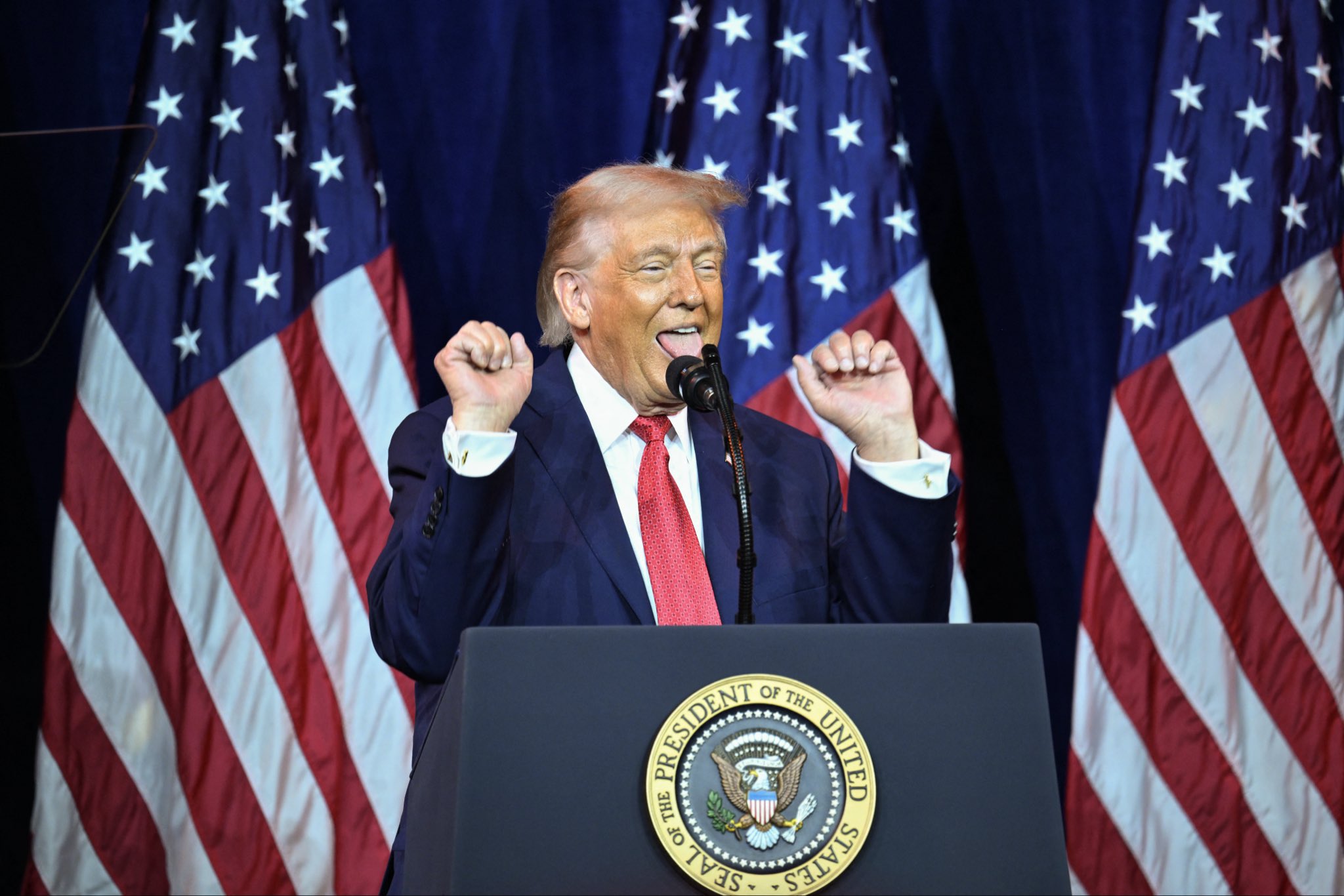
U.S. President Donald Trump has once again stirred intense controversy with his latest remarks on NATO, claiming that allied forces largely avoided frontline combat during the 20-year war in Afghanistan.
Kabul 24: Speaking in a Fox News interview from Davos, Switzerland, during the World Economic Forum in January 2026, Trump questioned the alliance’s reliability and downplayed the contributions of non-U.S. troops.Trump stated: “I’ve always said, will they be there if we ever needed them? And that’s really the ultimate test.
And I’m not sure of that. We’ve never needed them, we have never really asked anything of them. You know, they’ll say they sent some troops to Afghanistan… and they did, they stayed a little back, a little off the front lines.”The comments, made amid broader criticisms of NATO burden-sharing, triggered swift and sharp condemnation, particularly in the United Kingdom, which suffered the second-highest casualties after the United States. Britain lost 457 military personnel in Afghanistan, with thousands more wounded. Downing Street described Trump’s assertion as “wrong” and an unfair diminishment of NATO’s role.
Prime Minister Keir Starmer’s office called the remarks “insulting and frankly appalling,” while junior minister Stephen Kinnock labeled them “deeply disappointing,” noting that many European soldiers “gave their lives in support of American-led missions.”Veterans and bereaved families reacted with raw emotion.
One mother whose son was severely injured in Afghanistan called the comments “the ultimate insult.” A British veteran told media it was “very disrespectful” to suggest allied forces weren’t on the front line, emphasizing shared sacrifices in brutal operations across Helmand, Kandahar, and beyond.
Politicians across the spectrum—from Conservative leader Kemi Badenoch, who called it “flat-out nonsense” and “total nonsense,” to Labour and Liberal Democrat figures—united in outrage.
Some described the remarks as crossing a “red line” and demanded an apology.The Afghanistan mission followed the 9/11 attacks and invoked NATO’s Article 5—the only time in the alliance’s history that collective defense was activated.
Allies including Canada (over 150 killed), France (around 90), Denmark (44, one of the highest per-capita losses), the Netherlands, and others fought shoulder-to-shoulder with U.S. forces in some of the conflict’s most dangerous areas.
Trump’s long-standing skepticism toward NATO—often framing it as America subsidizing European security—has resurfaced repeatedly. Critics argue such statements risk undermining alliance cohesion at a time of rising global tensions, including in Europe and the Arctic.
Supporters of Trump maintain he is pushing allies to meet spending commitments and share burdens more equitably.
The episode has reopened painful memories of Afghanistan’s human cost and highlighted enduring transatlantic strains over defense roles. As one UK official put it, the sacrifices were paid “with blood,” and attempts to minimize them strike at the heart of the alliance’s solidarity..