
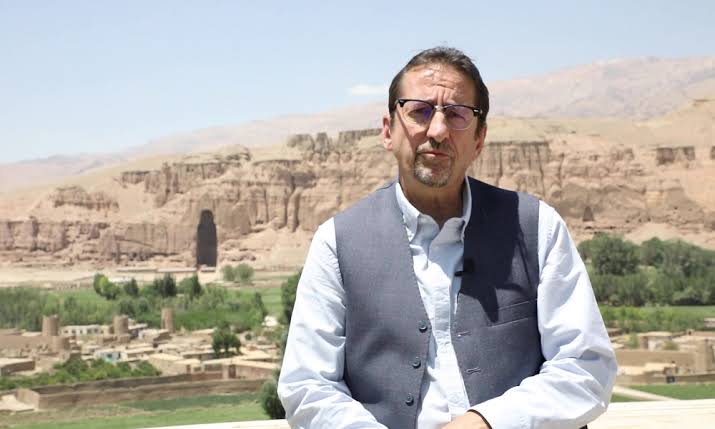
The UN Deputy Special Representative of the Secretary-General for Afghanistan has warned of the irreversible consequences of sidelining the Afghan crisis from the international agenda, expressing deep concern over the growing disinterest of the global community.
Kabul 24: Bruno Lemarquis emphasized the necessity of continued constructive engagement with the caretaker government to maintain humanitarian aid, while identifying the removal of structural restrictions on the full participation of women and girls as a vital and central condition for the country’s development and future.
The senior UN official recalled that human rights, particularly the rights of women to education and work, remain a constant pillar of all discussions between the organization and the Islamic Emirate. He noted that excluding half of the active population halts any prospects for stability and progress. Lemarquis stated that daily engagement to establish management solutions and preserve human gains is the only path forward to overcome the current stalemate.
Detailing alarming figures regarding the sharp drop in financial support, he revealed a 71.5% decrease in humanitarian aid this year compared to three years prior. This severe shortfall in funding has delivered a major blow to the country’s vital infrastructure, leading to the complete closure of over 700 out of 1,900 primary healthcare centers—representing 40% of the entire health network—between 2025 and 2026.
Citing a well-known local proverb—”what happens in Afghanistan does not stay in Afghanistan”—Lemarquis firmly warned that the international community turning its back on this nation will not contain the scope of the crisis. Escalating poverty, failure to reintegrate returning refugees, and the collapse of basic services will quickly spill over borders, potentially threatening regional security and stability while impacting migration routes.
Short Analysis
The UN’s emphasis on the transboundary fallout of international neglect signals a strategic shift in rhetoric, aiming to re-engage key global stakeholders by highlighting the spillover risks of new migration waves and regional instability. Meanwhile, the shutdown of 40% of primary health centers exposes the fragile dependency of basic services on foreign assistance, demonstrating how abrupt aid cuts drive the country toward institutional collapse. Navigating this environment, the UN maintains a dual strategy: preserving operational channels with the Islamic Emirate while pressing for women’s rights—a delicate diplomatic balance that safeguards baseline humanitarian access on the ground, yet faces persistent hurdles in breaking the underlying human rights impasse.