
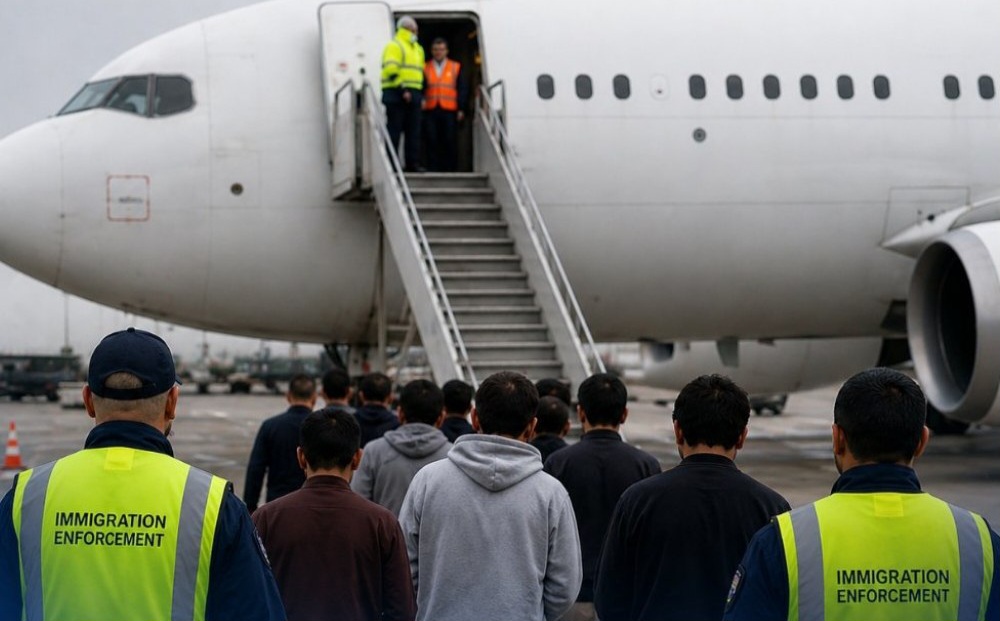
According to a report by The Telegraph, the United Kingdom deported just 123 Afghan asylum seekers last year, representing only about two percent of the total number of Afghans whose asylum applications were rejected.
Kabul 24: The figures highlight the significant challenges Britain faces in returning rejected asylum seekers to Afghanistan. Despite a large number of applications being denied, the vast majority of rejected Afghan nationals remain in the UK due to a complex web of legal, political, and logistical barriers that make deportation extremely difficult.
The issue has sparked intense debate within the British government. Discussions are ongoing about potential measures to facilitate the return of rejected asylum seekers, but so far, no comprehensive framework for large-scale deportations has been implemented.
The government is under growing public and political pressure to reduce the backlog of asylum cases and control immigration numbers, while balancing these demands with legal obligations and humanitarian concerns.
Home Secretary Shabana Mahmood recently stated that the government is carefully monitoring discussions in other countries, including European partners, regarding the deportation of rejected asylum seekers.
However, she emphasized that no final decisions have been made on new policies specifically targeting Afghan nationals.This low deportation rate is part of a broader and highly contentious debate over the UK’s immigration and asylum policy.
With record numbers of small boat crossings and a massive backlog in asylum processing, the government is facing criticism from both sides — those who demand stricter controls and faster removals, and those who warn against compromising human rights and international obligations.
The situation underscores the practical difficulties of enforcing immigration rules when returns involve high-risk countries. Until a workable and legally sound mechanism for returns to Afghanistan is established, the vast majority of rejected Afghan asylum seekers are likely to remain in the UK, placing continued strain on the asylum system and public resources.