
According to a Pentagon assessment, the U.S. Navy’s maritime blockade of Iranian ports has already cost Iran approximately $4.8 billion in lost oil revenue, imposing significant economic pressure on the Islamic Republic.
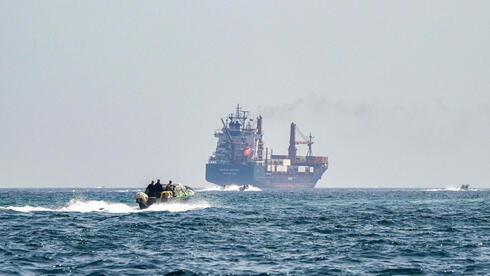
Kabul 24: U.S. officials report that since the operation began on April 13, American forces have intercepted and forced more than 40 vessels carrying oil and other goods to change course as they attempted to breach the blockade.
This aggressive naval campaign forms a key part of Washington’s strategy to restrict Iran’s oil exports.Citing Pentagon sources, Axios reported that 31 Iranian oil tankers loaded with a total of 53 million barrels of crude oil are currently stuck in the Persian Gulf.
The value of these cargoes is estimated at a minimum of $4.8 billion. In addition, U.S. forces have seized two vessels, further tightening the restrictions.
The blockade has created serious challenges for Iran’s oil storage and export capabilities. With onshore storage facilities now full, Iranian authorities have been forced to use older tankers as floating storage units.
This practice not only raises maintenance costs but also increases technical and environmental risks.Meanwhile, Iranian tankers are avoiding potential interception by U.S. naval forces by taking longer and more expensive alternative routes.
According to American officials, some vessels bound for China—the country’s primary customer—have been rerouted through circuitous paths that significantly increase transit time and fuel expenses.
These detours have sharply reduced the profitability of Iran’s oil exports and disrupted supply chains.
The maritime operation is part of a broader U.S. policy aimed at curbing Iran’s ability to fund activities that threaten regional stability. Pentagon officials maintain that the goal is to limit Tehran’s oil revenues and constrain its regional influence.
However, the blockade is also having wider economic consequences for Iran’s oil-dependent economy, potentially affecting ordinary citizens’ livelihoods.
As diplomatic negotiations remain stalled, the continued naval pressure risks escalating tensions in the Persian Gulf and could impact global energy flows.
Analysts warn that if the situation persists, Iran may face even steeper declines in foreign currency earnings, forcing difficult choices in its economic and foreign policies.