
Officials in Helmand province have announced an important agreement with Iranian investors to build a textile factory in the province.
Kabul 24: This joint investment project represents a significant step toward industrializing agricultural products, especially cotton, and strengthening economic ties between the two countries.According to local authorities, the investment will focus on cotton processing and yarn production.
The textile factory is expected to add substantial value to Helmand’s agricultural products, create hundreds of direct and indirect jobs, and serve as a successful model for converting raw farm materials into higher-value industrial goods.
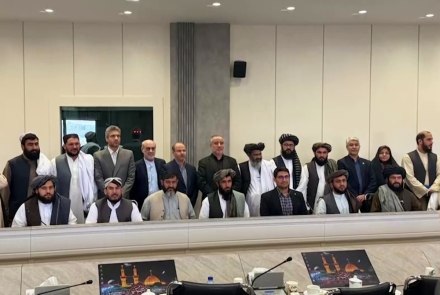
It will also help reduce reliance on raw material exports.A delegation led by Rahimullah Mahmood, Deputy Governor of Helmand, traveled to Iran and held several productive meetings in South Khorasan province.
Ghulam Yahya Pashtun, a member of the delegation, told media outlets: “Our meetings were very fruitful.
The Iranian side firmly assured us that they will undertake a joint investment in cotton processing and the establishment of a textile factory in Helmand.”He added that the agreements go beyond textiles and include expanding bilateral cooperation in mining, agriculture, and livestock sectors.
These understandings are expected to significantly enhance Helmand’s economic capacity and deliver positive outcomes for both Afghanistan and Iran.
Helmand is one of the main cotton-producing regions in southern Afghanistan, with annual production reaching nearly 200,000 tons. In the past, most of this cotton was exported raw to Pakistan, bringing limited profit to local farmers.
With the new textile factory, the entire value chain — from farm to finished yarn and fabric — will be completed inside the country, generating higher income for farmers, workers, and the local economy.
Businessmen, farmers, and economic activists in Helmand have welcomed the agreement and called for similar commercial partnerships with neighboring countries and other international partners.
They believe that such industrial and processing investments can help diversify the economy, reduce unemployment, and promote self-sufficiency.
This project is particularly important as Afghanistan seeks economic reconstruction and foreign investment. The establishment of the textile factory will not only accelerate industrial development in the south but also serve as a bridge for technology transfer, adoption of modern processing methods, and access to new export markets.
Both sides have expressed hope that timely implementation of this agreement will open a new chapter of sustainable and long-term economic cooperation between Afghanistan and Iran.