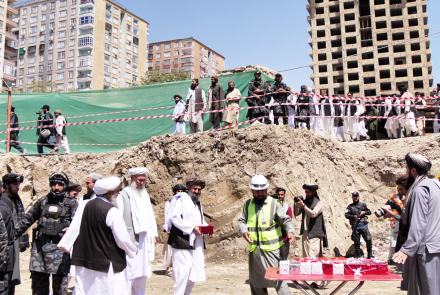

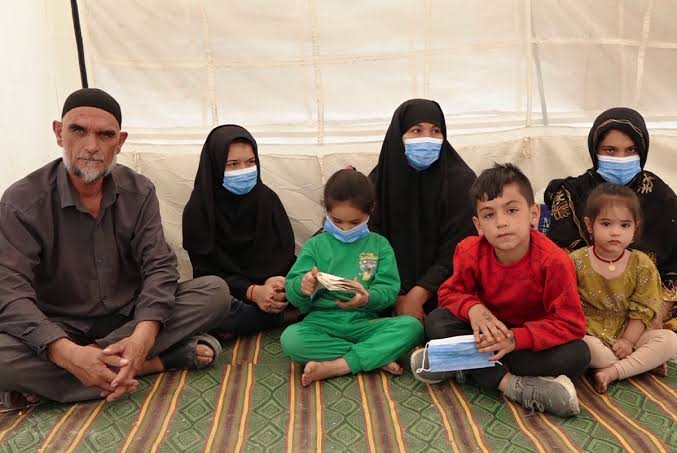
Over the past two years, more than two million Afghan migrants have been forcibly returned to Afghanistan due to increasing pressures in neighboring countries, particularly Iran and Pakistan.
Kabul 24: This mass repatriation has raised significant concerns about Afghanistan’s capacity to address the needs of these returnees, many of whom face dire challenges such as poverty, homelessness, and social vulnerabilities.
Ahmadreza Afshar, a migrant deported from Iran, told Tolo News: “Afghan migrants without proper documentation are detained and expelled without regard for their circumstances.” Similarly, a citizen deported from Pakistan stated: “We had legal documents, yet we were arrested and deported, leaving all our possessions behind.” These accounts highlight the harsh realities faced by migrants in host countries and the difficulties of their return to Afghanistan.
The Norwegian Refugee Council (NRC) has warned that only 20 percent of the humanitarian aid budget for Afghanistan in 2025 has been secured. This funding shortfall severely limits the ability of aid organizations to meet the growing needs of returnees. NRC President Jan Egeland stated: “Many returnees arrive empty-handed, often with nowhere to go. We’ve had to scale back support at key centers like Jalalabad. Without increased funding, addressing this crisis will be impossible.”
Economic expert Abdul Nasir Rashtia emphasized Afghanistan’s fragile economy, heavily reliant on foreign aid, struggles to manage this influx. He noted: “Sanctions and international restrictions, coupled with reduced aid, make it extremely challenging for the government to handle this crisis. Returnees urgently need food, shelter, and support.”
Migrant rights activists warn that without immediate and sustainable programs, returnee families risk extreme poverty, unemployment, and social harm. Ali Reza Karimi, a migrant rights advocate, said: “Lack of basic assistance could significantly increase poverty and vulnerability across Afghan society.”
The UNHCR reported that from October 2023 to May 2025, over 1.055 million Afghans returned from Pakistan. This staggering figure underscores the crisis’s scale and the urgent need for coordinated international action.
Without adequate funding and comprehensive strategies, the future of these returnees and Afghan society remains at grave risk.