
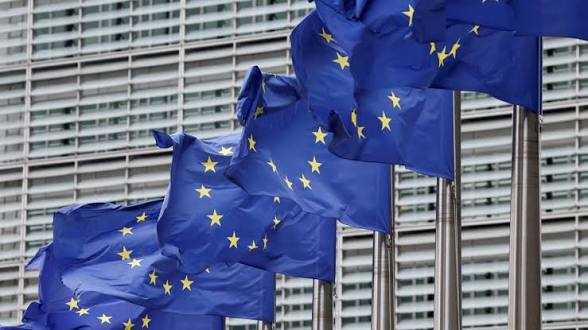
Members of the European Parliament’s Subcommittee on Human Rights are scheduled to meet on Thursday, September 3, in Brussels to discuss the sensitive and complex issue of repatriating Afghan refugees and asylum seekers from EU member states.
Kabul 24: This meeting comes in the wake of recent discussions between European Commission officials and designated representatives of the Islamic Emirate, aiming to scrutinize the various facets of potential deportation policies.
According to an official statement from the European Parliament, lawmakers will carefully evaluate the current human rights situation in Afghanistan and assess the potential ramifications of returning migrants.
The primary objective of these talks is to gauge safety conditions, living environments, and the sustainability of returning Afghan nationals, all while weighing the international legal obligations of European nations.
Concurrently, international human rights organizations have raised concerns, emphasizing that any policy regarding the return of migrants must strictly align with fundamental human rights principles.
Rights groups are particularly highlighting the imperative to honor the principle of *non-refoulement*, which prohibits forcibly returning individuals to countries where they face clear threats of persecution, harm, or life-threatening conditions. News of the upcoming session has heightened anxiety among Afghan asylum seekers across Europe, who fear the prospect of forced deportations.
For their part, officials from the Islamic Emirate have previously outlined their stance, stating that they welcome the voluntary return of Afghan citizens and maintaining that overall security in Afghanistan is suitable for returning residents.
Official European Union statistics illustrate the scale of this ongoing humanitarian situation. Between 2013 and 2024, nearly one million Afghan citizens applied for asylum across EU member countries, with approximately half of those applications being granted.
The future of thousands of remaining applicants now hinges on the legal and political outcomes forged in Brussels.