
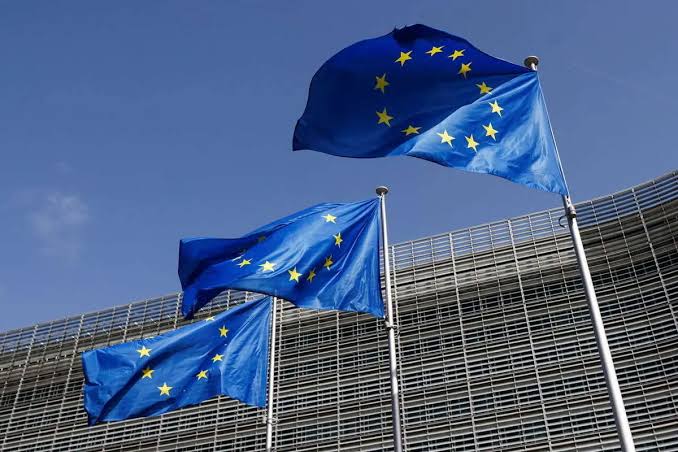
The European Commission has confirmed it will soon invite officials of the Islamic Emirate of Afghanistan for technical discussions in Brussels on the repatriation of Afghan migrants.
kabul 24: According to Agence France-Presse (AFP), a formal letter will be sent to Kabul in the coming days to set a date for the meeting. The talks, coordinated with Sweden, form part of a joint effort by 20 European countries to accelerate the return of Afghan migrants — particularly those with criminal records — to Afghanistan.
A spokesperson for the European Commission stated that officials are currently working on organizing a possible technical-level meeting in Brussels with representatives of the Islamic Emirate of Afghanistan, although a specific date has not yet been finalized.
This initiative comes amid growing pressure across Europe to manage irregular migration. Since the Islamic Emirate of Afghanistan took control of the country in August 2021, a significant number of Afghans have sought asylum in EU countries.
Many of these applications have been rejected, but returning individuals has proven difficult due to logistical challenges.European nations aim to establish practical channels with the Islamic Emirate of Afghanistan on key issues such as identity verification, issuance of travel documents, flight coordination, and basic security assurances upon return.
The focus is primarily on failed asylum seekers and individuals with criminal convictions, who are considered a priority for deportation.
The planned talks reflect a broader shift in European migration policy toward more pragmatic engagement with the current authorities in Afghanistan. Sweden, currently playing a coordinating role, has been among the more active EU members on this file.However, the move is not without controversy.
Human rights organizations and some EU lawmakers have expressed concern about any form of engagement with the Islamic Emirate of Afghanistan without clear guarantees regarding human rights, particularly women’s rights and the protection of minorities.
Despite these sensitivities, European officials insist the discussions will remain strictly technical and focused on migration management. They emphasize that cooperation on returns is essential to maintaining a credible and sustainable asylum system across the continent.
No official reaction from the Islamic Emirate of Afghanistan has been reported so far. Nevertheless, observers believe Kabul may welcome the initiative, given its own interest in managing the return of Afghan nationals and easing internal economic and social pressures.
This upcoming meeting could mark a significant step in functional cooperation between the European Union and the Islamic Emirate of Afghanistan and may set a precedent for dealing with complex political realities in migration matters.