
Yossi Cohen, the former head of Israel’s intelligence agency, Mossad, made a dramatic statement reported by Israeli media, claiming that intelligence operatives visited Iran’s subterranean Fordow uranium enrichment facility multiple times in the past.
Kabul 24: Speaking at the “Galilee Forum” in Safed, Cohen explained that these visits were conducted to closely examine, understand, and map the highly fortified site.
Yossi Cohen, the former head of Israel’s intelligence agency, Mossad, has made controversial headlines following remarks about covert operations in Iran.
Speaking at the Galilee Forum in the city of Safed, Cohen claimed that Mossad operatives physically visited Iran’s heavily fortified Fordow uranium enrichment facility multiple times in the past to gather critical intelligence.
Key Details from the Galilee Forum
During his address, Cohen emphasized that the objective behind these repeated infiltrations was to thoroughly analyze, map out, and comprehend the site’s structural and operational layout. He stated: “We visited the Fordow nuclear site many times to understand and identify it.”
While detailing the purpose of these covert missions, Cohen refrained from disclosing specific timelines, dates, or the identities of the operatives who carried out the visits to the highly secured underground facility.
Strategic Significance and U.S. Intervention
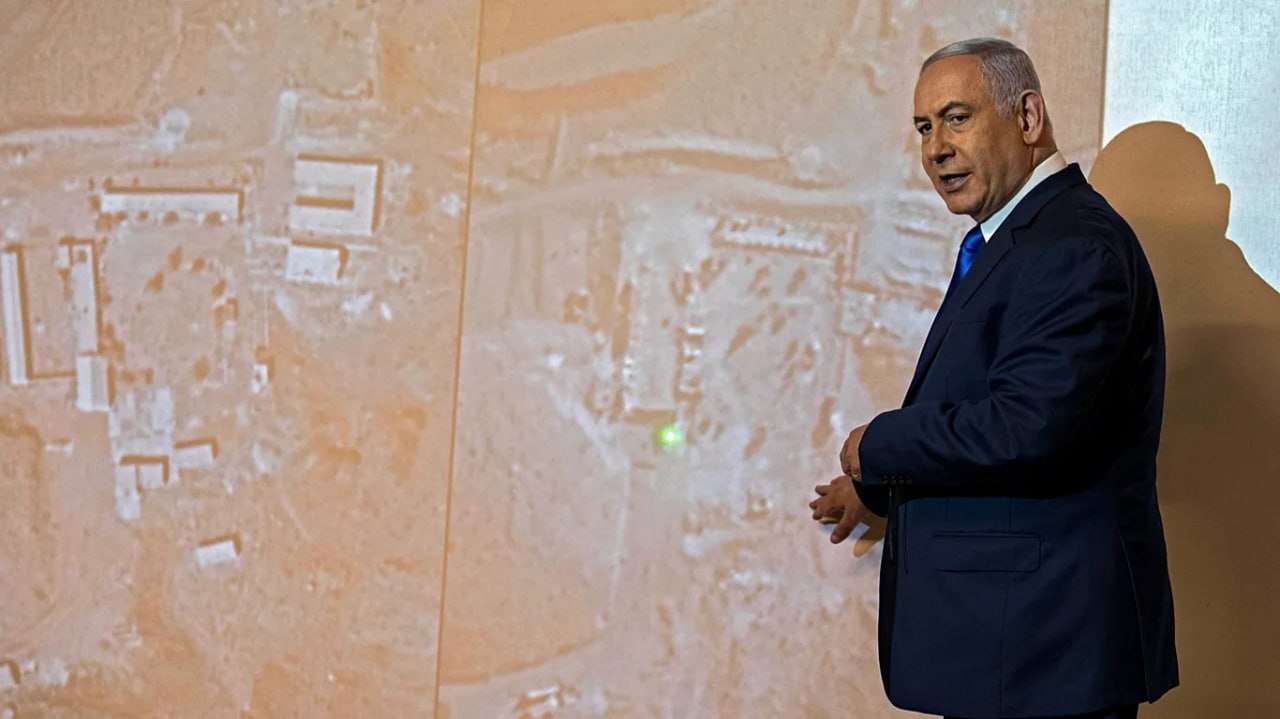
Located deep inside a mountain to protect it from airstrikes, the Fordow enrichment plant is considered one of Iran’s most heavily guarded and strategic nuclear facilities. Neutralizing or assessing the site has long been a top priority for Israeli intelligence and defense strategists.
Highlighting the perceived threat posed by the facility, Cohen added a provocative statement regarding potential military actions, noting: “The bombing of this site by the Americans was the realization of all my dreams.”
Psychological Warfare vs. Operational Reality
Statements by former intelligence officials often blur the line between actual strategic accomplishments and psychological warfare aimed at projecting influence and intimidating adversaries.
Cohen’s ambiguity regarding operational details leaves room for debate on the precise nature of these claims; however, his statements underscore the ongoing covert confrontation surrounding Iran’s nuclear program and the persistent strategic dialogue between Israel and the United States.