
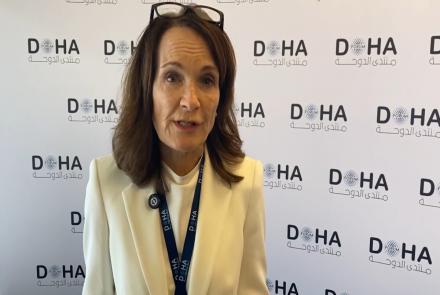
Georgette Gagnon, Acting Head of the United Nations Assistance Mission in Afghanistan (UNAMA), stated in an exclusive interview with TOLOnews that UNAMA serves as a “bridge” between the international community and the current Afghan government.
Kabul 24: She emphasized that the primary goal of the mission is to help Afghanistan reintegrate into the global system and fulfill its international obligations.Ms. Gagnon said: “Based on the mandate given to UNAMA by the UN Security Council, we act as a bridge between the international community and the current Afghan authorities.
Our efforts are focused on bringing Afghanistan back into the global system and ensuring it upholds its international commitments. At the same time, the situation of the Afghan people — particularly human rights issues and the status of women and girls — remains at the heart of our mission.
”She added that UNAMA, in cooperation with international organizations and the people of Afghanistan, is working to ensure timely delivery of humanitarian aid and to improve the living conditions of families and communities. Gagnon described human rights, especially the rights of women and girls, as an “inseparable part” of UNAMA’s mandate, noting close coordination with global organizations in this regard.
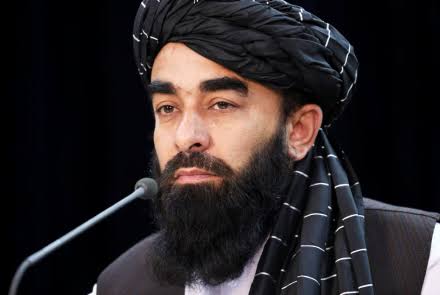
These remarks come amid earlier statements from Zabihullah Mujahid, spokesperson for the Islamic Emirate, who said UNAMA has failed to serve as an effective political representative in Afghanistan.
However, political analyst Syed Muqaddam Amin believes that, despite UNAMA’s historically weak performance, Afghanistan now needs such an entity, and if it demonstrates the will, UNAMA can play a significant role in facilitating the country’s reintegration into the international community.
UNAMA was established in 2002 at the request of the then-Afghan government and through a UN Security Council resolution. Its current mandate has been extended until March 17, 2026.
Citizens and political observers hope that UNAMA’s efforts, alongside those of the international community, will help reduce Afghanistan’s international isolation, improve the human rights situation — particularly for women and girls — and ultimately lead to the recognition of the current government, a goal that still faces significant obstacles.