
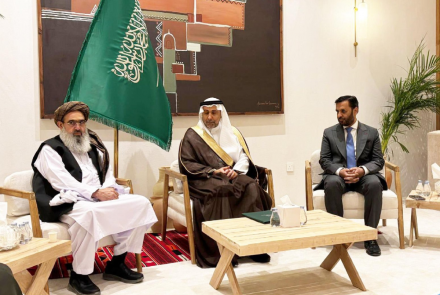
Noor Jalal Jalali, Minister of Public Health of the Islamic Emirate of Afghanistan, participated in the general session of the 8th International Health Exhibition during his official visit to Saudi Arabia.
Kabul 24: The event featured representatives from various countries, international health organizations, and experts in health technology, providing a platform for knowledge exchange and innovation showcase.
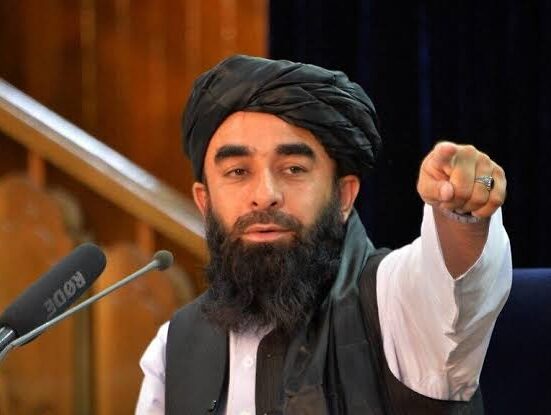
Sharafat Zaman Amarkhel, spokesperson for the Ministry of Public Health, stated: “Minister Jalali, while touring the exhibition booths, stressed the critical importance of adopting modern technologies to enhance the quality of healthcare services.
This strategy can significantly improve diagnosis, treatment, and disease management.” He added that Afghanistan is actively seeking investments and technical expertise to modernize its healthcare infrastructure.
Dr. Syed Abdullah Ahmadi, a medical specialist, shared his perspective: “To fully leverage new technologies, experienced medical professionals familiar with these tools must be recruited. It is advisable to invite foreign experts to train young doctors and local healthcare workers.
This will not only transfer knowledge but also build long-term domestic capacity.”On the sidelines of the exhibition, Minister Jalali held separate meetings with Fahd bin Abdurrahman Al-Jalajel, Saudi Arabia’s Minister of Health, officials from the World Health Organization (WHO), and representatives of the Bill & Melinda Gates Foundation. The Health Minister of Pakistan also attended these discussions.
The talks focused on trilateral cooperation, covering the control of communicable and non-communicable diseases, strengthening health surveillance systems, reforms in the polio eradication campaign, and expanding access to standard healthcare services in remote areas.
According to a statement from the Ministry of Public Health, these engagements represent practical steps toward securing international support and implementing joint projects.
Previously, Minister Jalali visited Qatar and China, where he discussed bolstering Afghanistan’s health system, attracting foreign aid, and broadening bilateral ties.
These trips reflect ongoing efforts to rebuild the healthcare sector after years of challenges.Overall, such initiatives can help reduce mortality rates, improve vaccination coverage, and combat epidemics. By drawing on partners’ experiences, Afghanistan is moving toward healthcare self-sufficiency.