
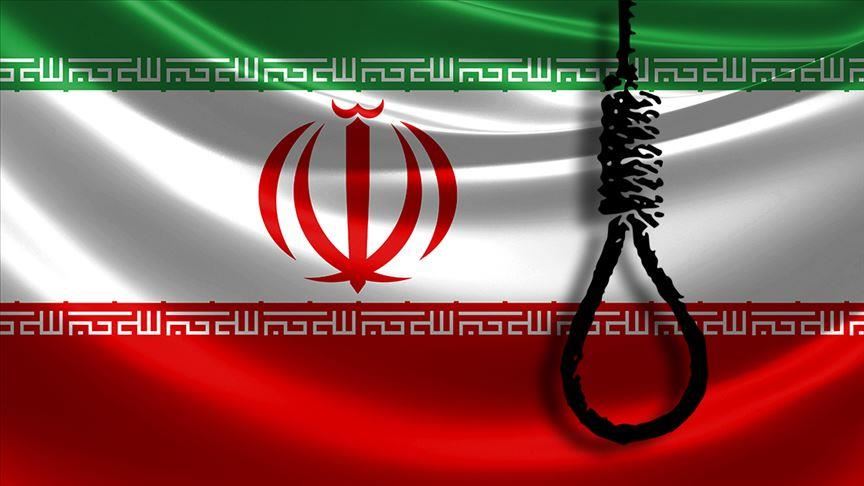
The Iran Human Rights Organization reported that the Islamic Republic executed an Afghan prisoner on charges of “drug-related crimes.” The organization also stated that seven Iranian prisoners were executed in the prisons of Tabriz, Semnan, Malayer, Borujerd, Qazvin, and Gorgan on similar charges.
Kabul 24; These executions are part of a continuing wave of death penalties in Iran, raising significant concerns among human rights activists.
According to the report, these executions occurred amid growing international criticism of Iran’s widespread use of the death penalty, particularly for drug-related offenses.
The Iran Human Rights Organization has repeatedly highlighted that many of these convicts are tried in courts lacking transparency and international standards of fair trial.
Reports also suggest that some prisoners, including the Afghan national, may have been victims of unfair rulings due to lack of access to legal representation or violations of basic judicial rights.
The execution of foreign nationals, especially Afghan citizens, in Iran has always been a sensitive issue, sparking numerous reactions. Human rights organizations have called for a halt to executions and a review of laws related to drug crimes, arguing that these punishments not only fail to deter but also lead to widespread human rights violations.
This report comes as the international community and human rights bodies have repeatedly urged Iran to limit the use of the death penalty and adhere to its international human rights commitments.
However, Iranian authorities have so far provided no clear response to these demands, and executions continue unabated.
This wave of executions has once again drawn attention to the state of human rights in Iran, underscoring the urgent need for judicial reforms and the abolition of the death penalty.