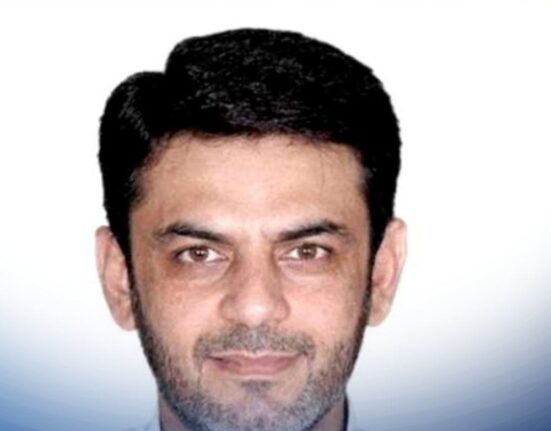


Sheikh Hibatullah Akhundzada, the leader of the Islamic Emirate, stated during a scientific-research conference at Kabul University that he would never pit Muslims against one another to preserve his own power.
Kabul 24: Addressing a gathering dedicated to examining the outcomes of leadership decrees, he emphasized that qisas (retributive justice) and hudud (Islamic legal punishments) cannot be implemented without his executive order, adding that the enforcement of Sharia is impossible without the Islamic Emirate.
In his opening remarks, the leader of the Islamic Emirate pointed to the current security and sovereignty of the country, asserting that not even an inch of Afghan territory is currently under foreign control.
According to him, following the end of sedition (fitna) and the establishment of the Islamic Emirate, safeguarding the system is a collective duty. Calling on Muslims to maintain unity and solidarity, Akhundzada stated that believers must act as a single body and support one another. Reflecting on his motivation for accepting leadership, he noted that he assumed the responsibility solely to prevent sedition and block its avenues, expressing his readiness to sacrifice his life to keep Muslims safe from turmoil.
Akhundzada further highlighted the pivotal role of religious scholars (ulama) within society and the current administration, urging them to convey religious teachings to the public, shape public opinion, and familiarize the populace with the true definition and nature of the Islamic Emirate. He attributed the strength of religious scholars to their unity, adding that if they stand together, no force will be able to withstand them.
The leader of the Islamic Emirate also described the Holy Quran as the foundation of the administration’s policies, equating respect for the Emir (leader) with respect for the subjects. Elsewhere in his speech, he underscored the significance of enjoining good and forbidding wrong, stating that anyone who loses their life while preventing vice is considered the “best martyr.”
At the conclusion of the conference, which brought together prominent religious scholars from various regions across Afghanistan, several senior clerics formally conferred the title of “Sheikh al-Islam” upon Hibatullah Akhundzada in recognition of his religious standing and leadership. The gathering focused on elucidating the jurisprudential and executive foundations of the decrees issued by the leader of the Islamic Emirate.