
The Islamic Emirate of Afghanistan (IEA) has vehemently condemned recent statements made by Lieutenant General Ahmed Sharif Chaudhry, spokesman for the Pakistan Army, during a press conference on Tuesday, January 6, 2026, describing them as “irresponsible, provocative, and detached from reality.”
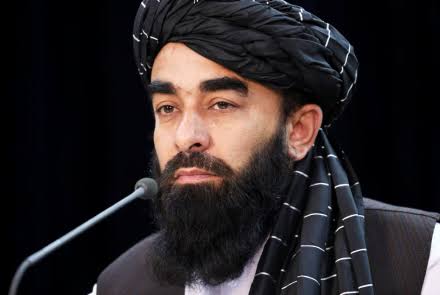
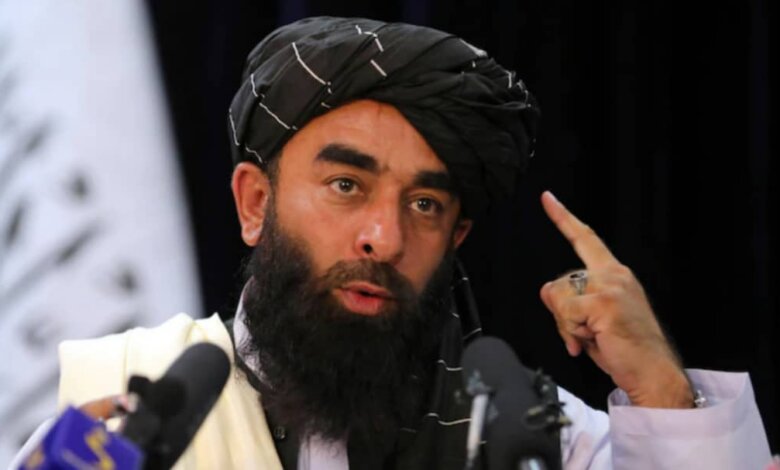
Kabul 24: In a statement posted on his X account, IEA chief spokesman Zabihullah Mujahid said the remarks not only lack any basis in fact but also contradict the standards expected of a responsible military institution.
Mujahid emphasized that such rhetoric risks escalating tensions between the two neighboring countries and urged Pakistani authorities to refrain from unfounded propaganda against Afghanistan.”Afghanistan is an independent and stable country with a robust security apparatus, strong leadership, and full sovereignty over its entire territory,” Mujahid stated.
He added unequivocally: “We clearly emphasize that any commentary on Afghanistan’s internal affairs or the use of threatening language is absolutely unacceptable to the Afghan nation.”Mujahid called on relevant Pakistani institutions to adopt a responsible approach, considering the sensitivity of bilateral relations, and to focus instead on addressing their own domestic challenges rather than straying from official diplomatic frameworks.
The sharp rebuke came in response to Lt. Gen. Chaudhry’s press conference in Rawalpindi, where he declared Pakistan’s primary security focus for 2025 on counter-terrorism.
Referencing the 2020 Doha Agreement between the United States and the IEA, he accused Afghanistan of violating its commitments by allowing its soil to be used for terrorism. Chaudhry claimed Afghanistan has become a “hub for terrorists and non-state actors,” hosting banned groups including al-Qaeda, Islamic State, and the Tehrik-e-Taliban Pakistan (TTP).
Without providing evidence, the Pakistani military spokesman further alleged that approximately 2,500 foreign militants from Syria entered Afghanistan following the ouster of Bashar al-Assad in December 2024. He also pointed to U.S. military equipment left behind in 2021 as contributing to the strengthening of terrorist organizations.
The IEA has repeatedly denied the presence of any terrorist groups on its soil and maintains its commitment to preventing Afghan territory from being used against any other country.
Tensions between Kabul and Islamabad have been strained for years, rooted in mutual accusations. Pakistan blames the IEA for sheltering TTP militants responsible for attacks inside Pakistan, while Afghanistan rejects these claims as baseless and views Pakistani cross-border strikes as violations of its sovereignty. Recent months have seen border closures, reduced militancy incidents in Pakistan following punitive measures, and ongoing calls for verifiable mechanisms to address security concerns.
Analysts warn that inflammatory statements from both sides could further complicate relations, undermining potential for regional cooperation on shared challenges like terrorism and economic stability.
The international community continues to stress the need for dialogue to ensure lasting peace in the region.