
A fresh surge of diplomatic and geopolitical tension has erupted between Tokyo and Moscow following Russia’s decision to conduct military maneuvers and missile tests in highly sensitive maritime zones.
Kabul 24: According to official reports, the Japanese government submitted a formal note of protest on Friday in response to Moscow’s plans to fire missiles in the waters surrounding the disputed islands.
This diplomatic pushback comes at a time when relations between the two neighbors have grown increasingly strained over recent weeks.
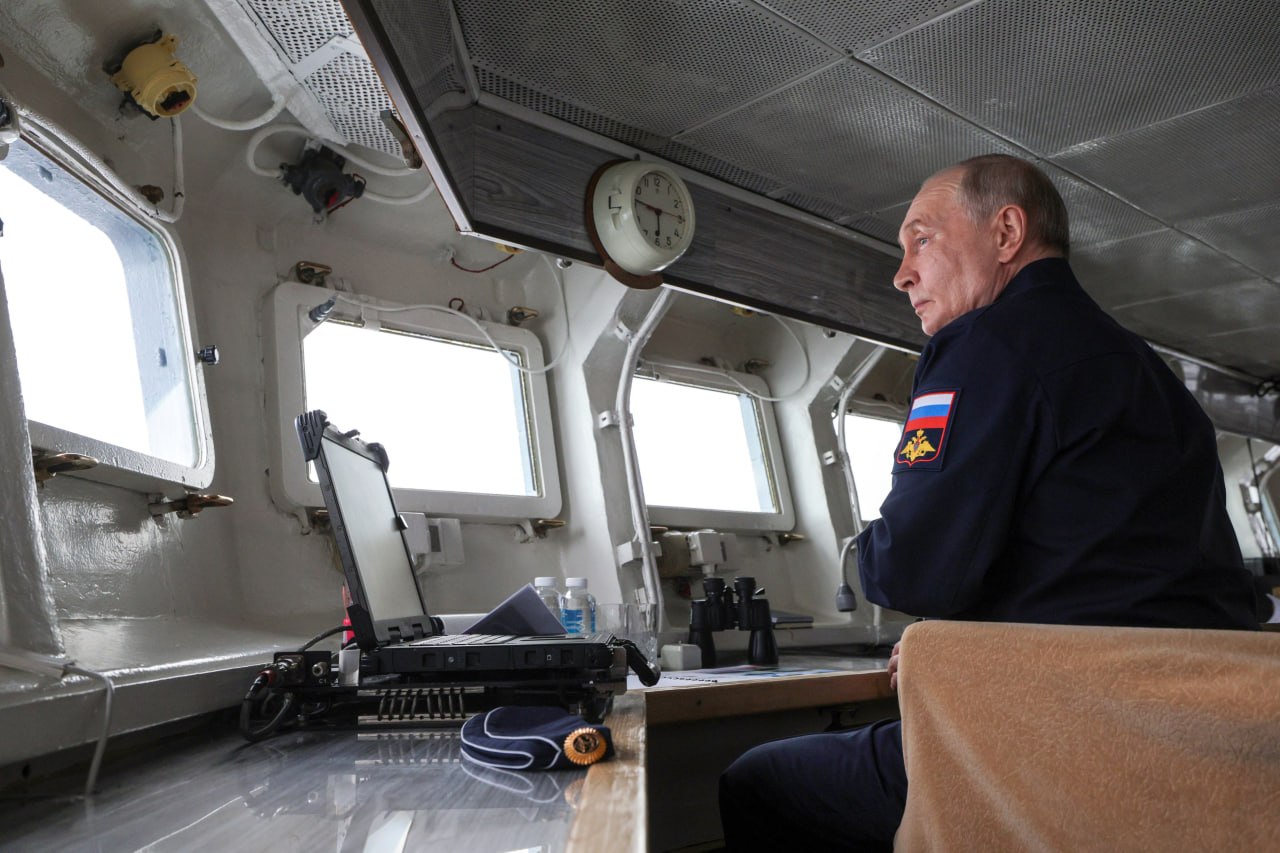
The immediate catalyst for this latest rift was a visit by Russian President Vladimir Putin to the islands earlier this month.
The trip drew swift condemnation from Tokyo, prompting the Japanese government to summon the Russian ambassador in protest.
Concurrently, the United States issued a statement reaffirming its support for Japan’s sovereignty over the territory, elevating the dispute into a broader regional issue.
Unfazed by the diplomatic pushback, Russia’s Pacific Fleet executed a powerful missile test just days later, deploying the “Bastion” coastal defense missile system in the contested area. Moscow’s move is widely interpreted as a clear signal aimed at asserting its military footprint and maintaining a firm posture in the Pacific theater.
The disputed islands—known in Japan as the “Northern Territories” and in Russia as the “Southern Kurils” have been the central point of territorial friction between both nations since the end of World War II.
The absence of a formal peace treaty between Tokyo and Moscow over the past eight decades has left this strategic archipelago as a persistent geopolitical flashpoint in East Asia.
Analysts note that Russia’s timing, coming shortly after Washington’s public backing of Japan, underscores the growing complexity of regional security dynamics.
With Moscow continuing its military activity and Tokyo standing firm on its territorial claims, the prospects for a diplomatic resolution remain deeply uncertain.