

Saudi Arabia has recently intensified its diplomatic efforts to ease the unprecedented fragility in relations between Kabul (under the Islamic Emirate and Islamabad, amid ongoing border tensions, cross-border militant activities (particularly linked to the Tehreek-e-Taliban Pakistan or TTP), and periodic clashes.
Kabul 24: A high-level Saudi delegation visited Kabul recently, holding consultations with senior Afghanistan officials, including the Minister of Defense.
This visit aligns with Riyadh’s role as a mediator, having previously hosted multiple rounds of talks between Afghan and Pakistani representatives.
For instance, Saudi Arabia facilitated discreet, closed-door discussions in Riyadh in late November/early December 2025, though those ended without a major breakthrough, with both sides maintaining firm positions on issues like cross-border terrorism.
Earlier mediation attempts by Qatar and Türkiye also yielded limited results, primarily sustaining a fragile ceasefire from October 2025 clashes rather than resolving underlying disputes.
A notable recent development came amid these efforts: On or around February 17, 2026, the Taliban released three Pakistani soldiers captured during border fighting on October 12, 2025.
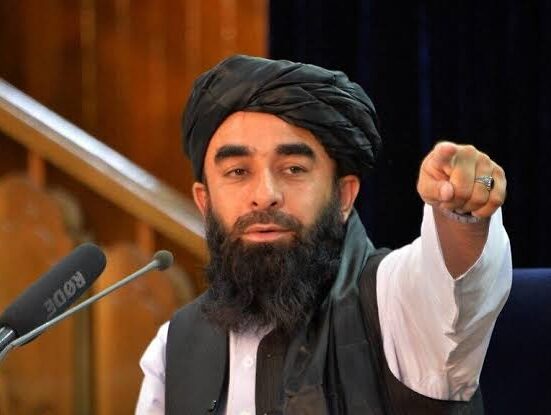
Afghanistan spokesman Zabihullah Mujahid described this as a positive response to Saudi Arabia’s request, in line with the Emirate’s policy of fostering positive ties with all countries, and timed with the approach of Ramadan (a month of mercy and forgiveness).
The soldiers were handed over directly to the visiting Saudi delegation in Kabul. Analysts and political observers view this gesture as a potentially effective step by Riyadh toward de-escalation, signaling goodwill and possibly paving the way for further dialogue.
This mediation occurs against the backdrop of strengthened Saudi-Pakistani ties. In September 2025, Riyadh and Islamabad signed a Strategic Mutual Defense Agreement (SMDA), treating aggression against one as aggression against both—enhancing their long-standing security partnership. More recently (as of mid-February 2026), Saudi officials indicated preparations for a complementary strategic economic pact to deepen bilateral cooperation.
Overall, while Saudi initiatives have not yet produced a comprehensive resolution to the Kabul-Islamabad rift—tensions remain high with accusations of harboring militants and border incidents—Riyadh’s persistent involvement (including this prisoner release) is seen as constructive by many observers, leveraging its influence in the Muslim world to prevent further escalation.