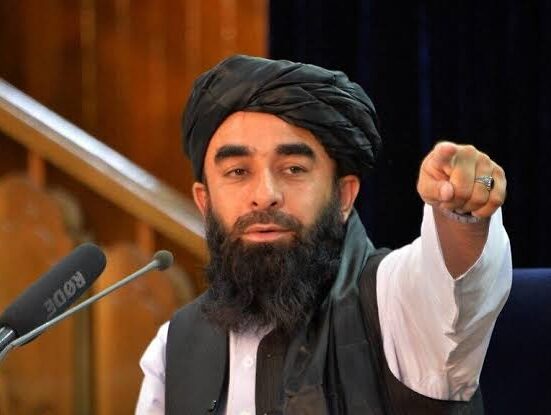


On International Human Rights Day (10 December), Zabihullah Mujahid, the official spokesman of the Islamic Emirate of Afghanistan, reaffirmed that the government remains fully committed to upholding human rights, provided they align with the principles and obligations of Islamic Sharia.
Kabul 24: In messages posted on X and shared with local media outlets, Mujahid stressed that the Islamic Emirate safeguards the rights of all Afghan citizens in accordance with Sharia rulings. “We are bound by the human rights that Islamic Sharia deems necessary,” he stated.
He further clarified: “The definition and understanding of human rights differ from country to country.
We adhere to the human rights that Islamic Sharia requires.”The remarks were issued as the international community commemorates the 77th anniversary of the Universal Declaration of Human Rights, adopted by the United Nations General Assembly on 10 December 1948.
The Declaration affirms that fundamental rights—including the right to life, liberty, education, work, and equality—are universal, indivisible, and apply to every individual without discrimination based on gender, religion, or ethnicity.
Since the Islamic Emirate assumed power in August 2021, United Nations reports and international human rights organizations have highlighted systematic restrictions on the rights of women and girls, including the suspension of secondary and higher education for females, limitations on women’s employment in most sectors, requirements for a male guardian for travel, and reduced participation in public life.
Many governments and the UN describe these measures as serious violations of universally recognized human rights, particularly women’s rights.The Islamic Emirate, however, consistently maintains that its governance fully respects the rights and dignity of citizens within the boundaries of Islamic law.
Today’s statement by the spokesman once again underscores the differing interpretations between the Islamic Emirate’s Sharia-based approach to human rights and the universal standards outlined in international human rights instruments that Afghanistan previously ratified.