
The prolonged closure of major border crossings between Afghanistan and Pakistan has effectively paralyzed regional trade. According to reports from Pakistani media outlets, the extended shutdown of these key trade routes has dealt a severe blow to Pakistan’s commerce, agriculture, livestock, and poultry sectors, while simultaneously stripping thousands of citizens and business operators on both sides of the border of their livelihoods.
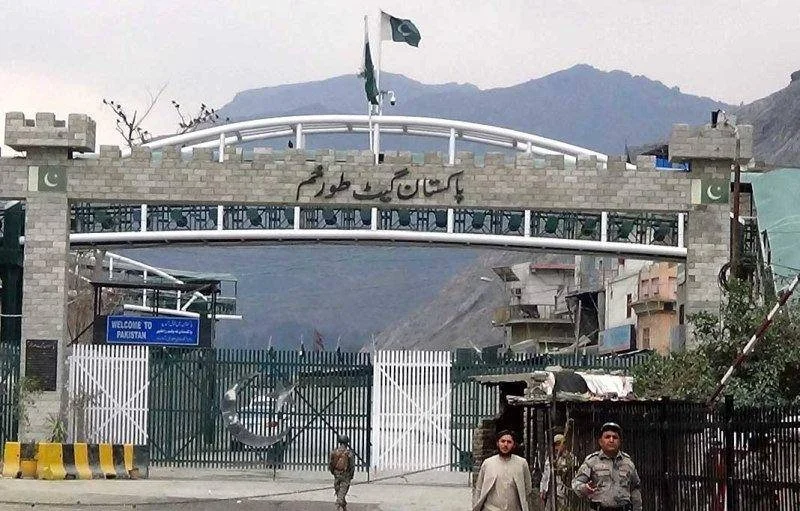
Kabul 24: Dawn, a prominent Pakistani newspaper, highlighted the compounding severity of the situation, reporting that the closure of the strategic Torkham and Chaman border points over the past 10 to 11 months has placed traders and local business owners under extreme financial and psychological strain.
The inability to move goods and the standstill of commercial transport fleets have not only disrupted Pakistan’s export market to Afghanistan and Central Asia, but have also pushed border-dependent agricultural and poultry supply chains to the brink of collapse.
The magnitude of the economic downturn is reflected in official estimates from cross-border commercial leaders. Zia-ul-Haq Sarhadi, Senior Vice President of the Pakistan-Afghanistan Joint Chamber of Commerce and Industry (PAJCCI), disclosed that Pakistani traders alone have suffered losses approaching nearly one billion dollars over the past ten months. Beyond the destruction of private capital, this substantial loss has fractured regional supply networks and severely eroded Pakistan’s trade positioning in the region.
If left unaddressed, the persistent standstill threatens to deepen socio-economic instability along the border, escalating poverty rates and driving systemic stagnation.
Analysts emphasize that without a swift, sustainable diplomatic resolution to reopen these primary trade arteries, the fallout will extend far beyond financial losses, posing broader structural and humanitarian challenges for the entire region.