
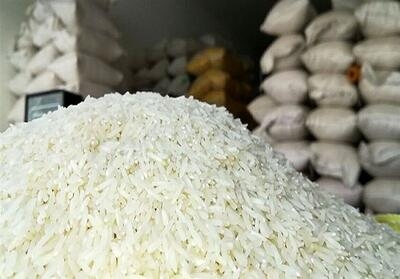
Pakistani media outlets have reported a notable decline in the country’s rice exports over the past nine months, highlighting growing challenges for one of the nation’s key agricultural export sectors.
Kabul 24: According to statistics published by the influential daily newspaper Dawn, Pakistan exported 658,700 tons of rice during the first nine months of the previous financial year (FY 2025). In contrast, the figure for the corresponding period in FY 2026 has fallen to 558,200 tons, marking an approximate 14 percent reduction.
This downturn has raised concerns among exporters, policymakers, and economic analysts. Rice remains a vital foreign exchange earner for Pakistan, supporting millions of farmers and contributing significantly to the country’s agricultural economy.
The sharp drop signals potential difficulties in maintaining competitiveness in global markets, especially as rival producers like India continue to strengthen their positions.
Exporters point to a combination of internal and external pressures as the main causes. On one hand, they face substantially higher transportation and insurance costs, which have eroded profit margins and made Pakistani rice less price-competitive internationally.
These increased expenses stem from rising fuel prices, logistical inefficiencies, and elevated risk premiums in volatile regions. On the other hand, broader international crises and shifting trade dynamics have compounded the problem, reducing demand and disrupting established supply chains.
Experts in the economic field identify the suspension of trade with Afghanistan and the subsequent closure of key transit routes to Central Asian countries as the primary factors behind the decline.
For years, Afghanistan has served as a critical overland corridor for Pakistani goods heading to landlocked markets in Central Asia. Repeated border closures and ongoing tensions have effectively halted much of this transit traffic, leaving shipments stranded and forcing exporters to seek more expensive or less efficient alternatives.
Recent efforts to open new routes via Iran aim to mitigate these disruptions, but their full impact is yet to be realized and may not immediately offset the losses.
The situation has created a ripple effect across the rice value chain. Farmers in major producing regions, particularly in Punjab and Sindh, are feeling the pressure as reduced export volumes lead to lower domestic procurement prices and uncertainty about future demand.
Millers and processors, who rely on steady export orders, have reported idle capacity and financial strain. Smaller exporters, lacking the resources to absorb higher costs or explore distant markets, have been hit hardest.
Analysts warn that without targeted interventions, the decline could worsen. Recommendations include government support to subsidize logistics costs, investment in alternative transit infrastructure, and diplomatic efforts to stabilize trade relations with neighboring countries.
Additionally, enhancing the quality and branding of Pakistani rice—especially premium basmati varieties—could help regain market share in high-value destinations such as the Middle East, Europe, and North America.
The 14 percent drop in rice exports not only affects immediate revenue but also underscores deeper structural vulnerabilities in Pakistan’s trade framework.
It highlights the urgent need for diversified export routes, improved competitiveness, and resilient regional partnerships. As the financial year progresses, stakeholders hope that recent policy measures and emerging alternative corridors will help reverse the trend and restore momentum to this crucial sector.
In summary, the reduction in rice shipments from 658,700 tons to 558,200 tons within a year reflects a perfect storm of rising operational costs and geopolitical disruptions, particularly linked to Afghanistan.
Addressing these challenges will be essential for safeguarding Pakistan’s agricultural exports and supporting the livelihoods dependent on them.