
The World Health Organization (WHO) has highlighted notable shifts in disease patterns across Afghanistan in its latest March 2026 emergency situation report.According to the report, while some illnesses have declined, malaria cases have increased significantly.
Kabul 24: Confirmed malaria cases rose by 25% in March compared to February, reaching 746 confirmed instances with no reported deaths so far this year.Pneumonia (acute respiratory infections) saw a substantial 33.1% decrease, with 105,094 cases and 198 deaths recorded.
Acute watery diarrhoea increased by 5.7%, registering 6,308 new cases and one death (0.02% fatality rate). Suspected dengue infections dropped by 33.5%, with 115 cases and no fatalities. Measles cases declined by 8%, totaling 2,395 cases with 11 deaths.
The case fatality rate for Crimean-Congo Haemorrhagic Fever (CCHF) remains high at 10.2%, continuing to pose a serious public health concern in the country.In response to ongoing health challenges, WHO distributed more than 200 essential health service kits nationwide, benefiting over 810,000 people.
The organization has also established an extensive health network in Afghanistan, comprising 106 health facilities, specialized hospitals, addiction treatment centers, and mental health services across various provinces.
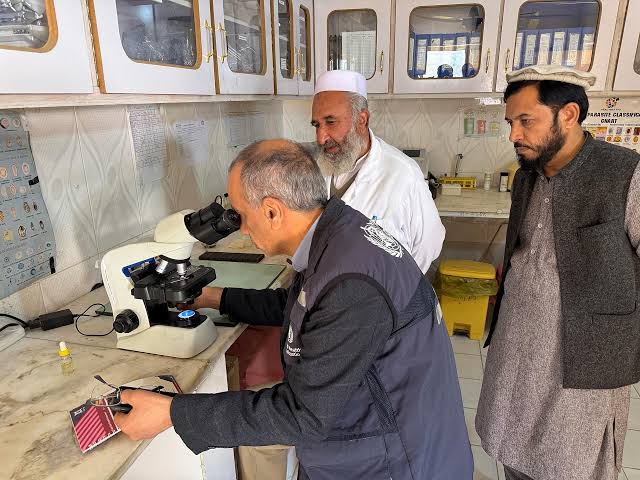
Laboratory testing of over 7,000 returnees revealed a notable prevalence of diseases such as COVID-19 and dengue among them, underscoring the risks associated with population movements.
Recent floods have severely impacted the health sector, displacing thousands of families, causing dozens of deaths, and disrupting medical services at 10 health centers.
These natural disasters have further strained the already vulnerable humanitarian situation.
WHO emphasized that despite these challenges, efforts to strengthen health systems continue. The rise in malaria cases calls for enhanced vector control, early diagnosis, and treatment measures, particularly in high-risk areas.
Seasonal factors, climate conditions, and population displacement are believed to contribute to the increase in mosquito-borne diseases.
Experts warn that without sustained intervention, such fluctuations in communicable diseases could escalate, especially amid recurring floods, returnee influxes, and limited resources.
The organization continues to work with national and international partners to improve surveillance, deliver timely interventions, and build resilience in the health system.
This report reflects the complex public health landscape in Afghanistan, where progress in some areas is offset by emerging threats in others. Continued support for essential health services remains critical to protect vulnerable populations and prevent larger outbreaks.