
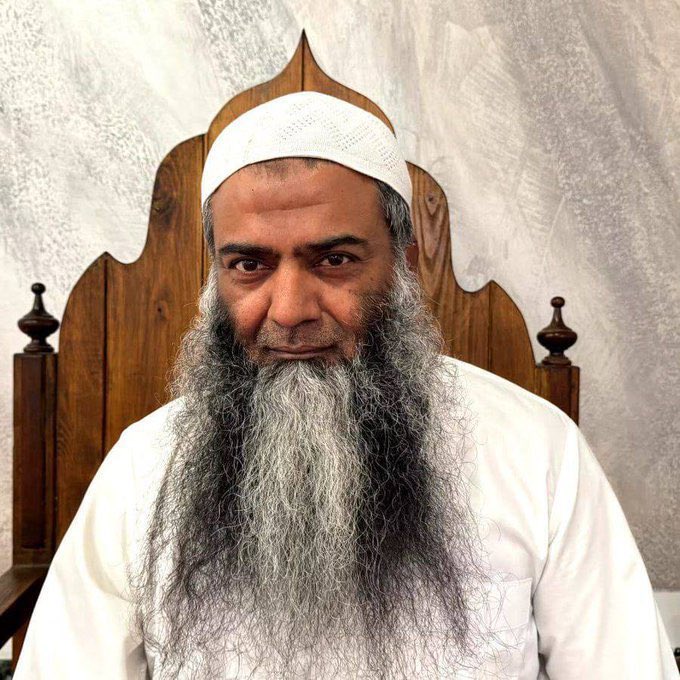
In a decisive move, the Italian government expelled a Pakistani cleric named Zulfiqar Khan for making inflammatory remarks and inciting violence against non-Muslims.
Kabul 24: The 54-year-old imam, who had resided in Bologna for over three decades, sparked outrage with a sermon in 2024, declaring that “every Muslim must fight infidels, or face catastrophic consequences.” These statements, interpreted as promoting violence and hate speech, prompted swift action from Italian authorities.
Italian Prime Minister Giorgia Meloni, known for her stringent stance on extremism, ordered the immediate initiation of Khan’s deportation process.
On October 8, 2024, Interior Minister Matteo Piantedosi, with Meloni’s approval, revoked Khan’s residency permit and signed his expulsion order. This action was part of Italy’s broader campaign to combat Islamic extremism and safeguard national security and civic values.
Khan, who had lived in Italy since 1995, not only expressed support for Hamas—a group designated as a terrorist organization by many countries—but also made anti-Western and antisemitic remarks.
His rhetoric escalated following Hamas’s October 7, 2023, attack on Israel, raising concerns about his influence on the local community.
The expulsion triggered widespread reactions in media and on social platforms. Some praised Italy’s firm response as a commitment to national security, while others viewed it through the lens of ongoing debates about free speech and immigrant integration.
Meloni emphasized in a statement that Italy would not tolerate any incitement to violence.
This incident has reignited discussions on the challenges of cultural integration and countering extremism in Europe. Italian authorities affirmed that they would continue monitoring similar activities to prevent the spread of radical ideologies.